
Popular Searches
Popular Searches

The Role of Smart Irrigation in Smart Water Management in Agriculture
In the realm of agriculture, where the demand for food is ever-growing, innovation becomes the driving force for sustainability and efficiency.
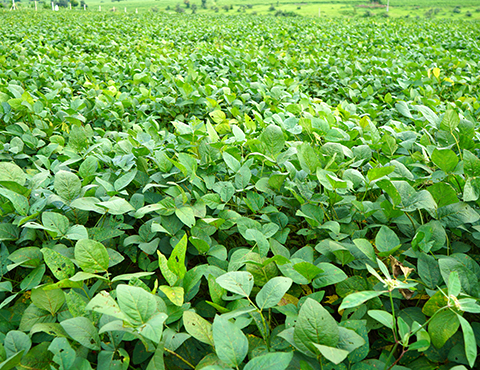
In the realm of agriculture, where the demand for food is ever-growing, innovation becomes the driving force for sustainability and efficiency. One such groundbreaking technological advancement taking center stage is Smart Irrigation Systems. In this blog, we delve into the significance of these systems, exploring how they are transforming traditional farming practices and contributing to a more sustainable and productive agricultural future.
The Need for Innovation in Agriculture
With a burgeoning global population and the challenges posed by climate change, traditional farming methods are under strain. Water scarcity, unpredictable weather patterns, and the need for increased food production all call for innovative solutions. Smart water management in agriculture—enabled by intelligent irrigation systems—offers a viable path forward, giving farmers the tools they need to thrive under changing conditions.
Key Features of Smart Irrigation Systems
Smart Irrigation Systems integrate cutting-edge technologies, data analytics, and real-time monitoring to optimize the use of water resources in agriculture. These systems employ a range of sensors, weather forecasts, and intelligent algorithms to precisely determine when, where, and how much water crops need. Here are some key components and features:
1. Soil Moisture Sensors
These sensors measure the moisture content in the soil, providing accurate data on the water needs of crops. This information enables farmers to avoid overwatering or underwatering, optimizing water usage and promoting healthier plant growth.
2. Weather Forecast Integration
Smart Irrigation Systems leverage real-time weather data to anticipate environmental conditions. By adjusting irrigation schedules based on upcoming weather patterns, farmers can adapt to changing circumstances, ensuring efficient water management.
3. Remote Monitoring and Control
Through the use of mobile applications or online platforms, farmers can remotely monitor and control irrigation systems. This not only saves time and labor but also allows for quick adjustments in response to unexpected events or changes in crop conditions.
4. Data Analytics for Decision-Making
All collected data is analyzed to generate actionable insights, helping farmers make informed decisions about irrigation timing, crop needs, and resource distribution—essential components of smart water management in agriculture.

Read more: The Impact of Smart Irrigation Systems on Crop Management
Benefits of Smart Irrigation Systems in Smart Water Management in Agriculture
The benefits of adopting Smart Irrigation Systems go beyond just productivity—they directly support smart water management in agriculture:
1. Water Conservation
By precisely delivering water where and when it is needed, these systems reduce water wastage, promoting sustainable water use and conservation.
2. Increased Crop Yield
Optimized irrigation leads to improved crop health and yield. The ability to tailor water delivery to specific crop requirements enhances overall productivity.
3. Cost Efficiency
The efficient use of water and energy translates into cost savings for farmers. Smart Irrigation Systems contribute to a more economically viable and sustainable agriculture sector.
4. Environmental Sustainability
Reduced water runoff and minimized use of fertilizers contribute to lower environmental impact. Smart Irrigation Systems align with sustainable farming practices, supporting long-term ecological balance.
FAQs
Q1: What is smart water management in agriculture, and why is it important?
A: Smart water management in agriculture involves the use of advanced technologies like sensors, weather data, and automation to optimize irrigation. It's important because it helps conserve water, increase crop yield, and reduce farming costs—making agriculture more efficient and sustainable.
Q2: How do Smart Irrigation Systems support smart water management in agriculture?
A: Smart Irrigation Systems support smart water management in agriculture by delivering the right amount of water at the right time using soil moisture sensors, weather forecasts, and remote monitoring. This minimizes water waste and ensures healthier crop growth.
Q3: What are the benefits of adopting smart water management in agriculture?
A: The benefits include water conservation, improved crop productivity, reduced energy costs, and a lower environmental footprint. By integrating smart irrigation solutions, farmers can manage water more efficiently and adapt to climate challenges.
Conclusion
As we face the dual challenge of feeding a growing global population and preserving our environment, smart water management in agriculture becomes increasingly crucial. According to research, smart Irrigation revenue is expected to grow at 12.7% through 2024 to 2030. Smart Irrigation Systems, incorporating precision and efficiency, stand as a testament to the transformative power of technology in addressing these challenges. These systems, supported by industry leaders like Automat, not only benefit farmers but also play a crucial role in securing the future of global food production. By embracing sustainability and integrating cutting-edge irrigation management solutions, Smart Irrigation Systems pave the way for a greener, more resilient tomorrow. The spotlight on agricultural innovation is brighter than ever, and with the collaborative efforts of technology leaders like Automat, the future of smart and sustainable agriculture looks promising.
Download Mobile App


Get in touch

Plot no. 18-19, Dilshad Garden, G.T. Road, New Delhi 110095.


