
Popular Searches
Popular Searches

How Does a Sprinkler Irrigation System Help Mustard Farmers?
In a mustard field, every stage, right from the first sprout to the final seed pod, the growth of the crops depends on how well the soil keeps its moisture.
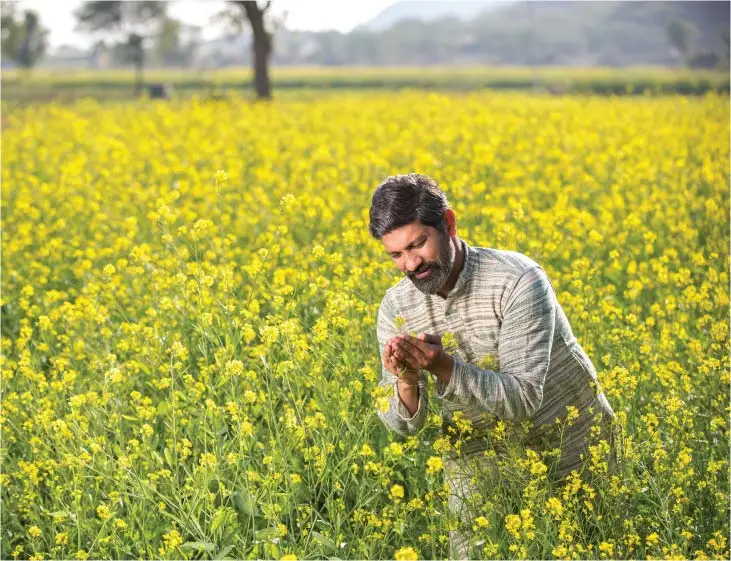
In a mustard field, every stage, right from the first sprout to the final seed pod, the growth of the crops depends on how well the soil keeps its moisture. It doesn’t take much for one patch to dry out while another turns soggy. That’s where sprinklers have quietly changed things for farmers. With a simple setup, a sprinkler irrigation system keeps the water even, helping plants grow steadily without wasting a drop.
Why Mustard Needs Careful Watering ?
Mustard might seem like a tough crop, but it has its own moods. If the soil dries too early, the roots don’t spread right. If it stays soaked for too long, the crop gets weak and patchy. Most farmers used to flood their fields, thinking more water meant better yield. But that often left the edges dry and the middle waterlogged.
Sprinklers fix that problem by letting water fall lightly, like a slow drizzle. The soil gets time to drink it properly. That steady balance helps the roots grow stronger and the crop stay uniform across the field.
Most farmers like that they can finally decide things for themselves like when to turn the water on, how long to run it, and which part of the field needs it most. With valves and small regulators, they can split the farm into sections and water each one as needed. It makes the job simpler, saves a lot of time, and there’s far less guesswork involved.
Sprinkler Irrigation is Suitable for Which Crop ?
Sprinkler irrigation works beautifully with crops that need uniform moisture. Mustard is one of the best examples, but it’s equally effective for wheat, cumin, cotton, pulses, vegetables, and oilseeds. The even spread helps plants grow at the same pace and prevents the soil from hardening. Since the water falls gently, it doesn’t disturb the soil surface or damage young shoots.
That’s why more and more farmers now see sprinkler for farms as a long-term investment, not an extra expense.
Choosing the Right Sprinkler for Mustard Fields
Every field behaves a little differently. The soil texture, how flat the land is, and the kind of water pressure you get, all of that changes how a sprinkler performs. That’s why farmers usually take a bit of time to match the right model to their land before setting it up.
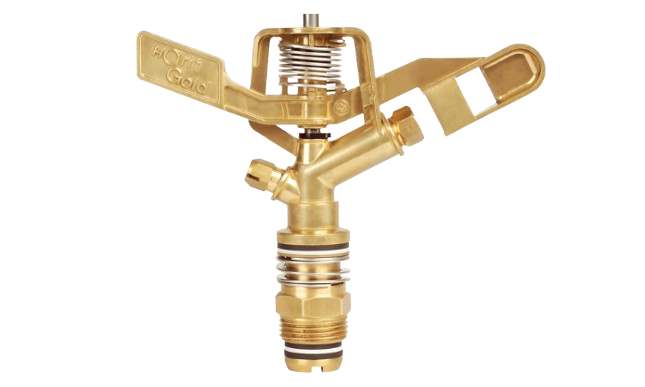
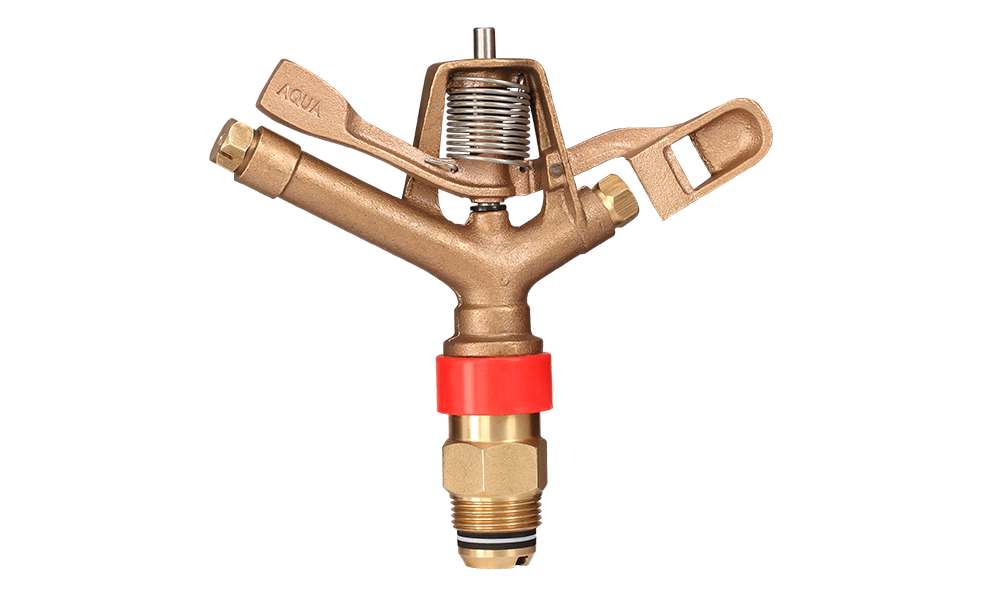
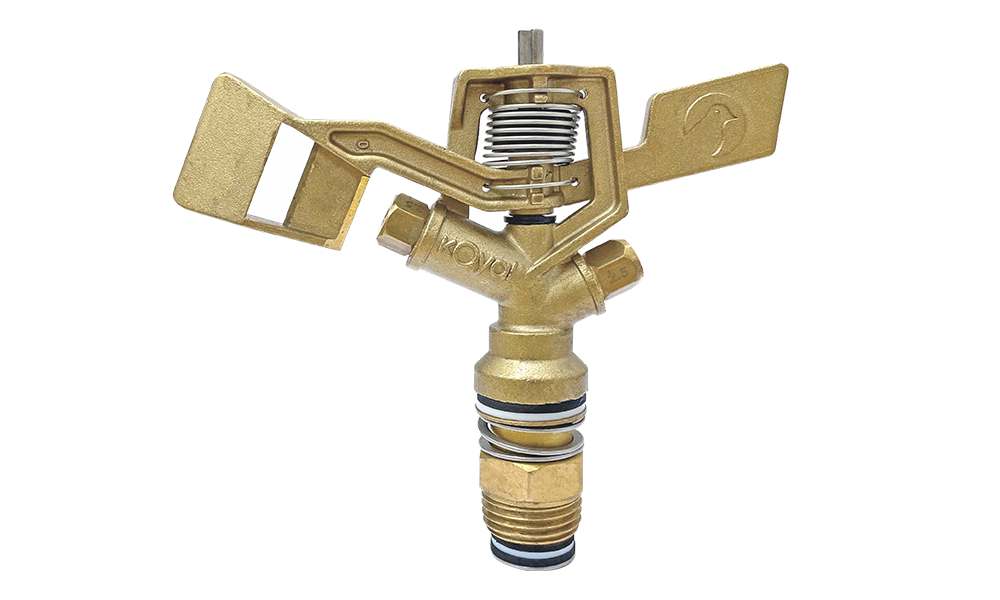
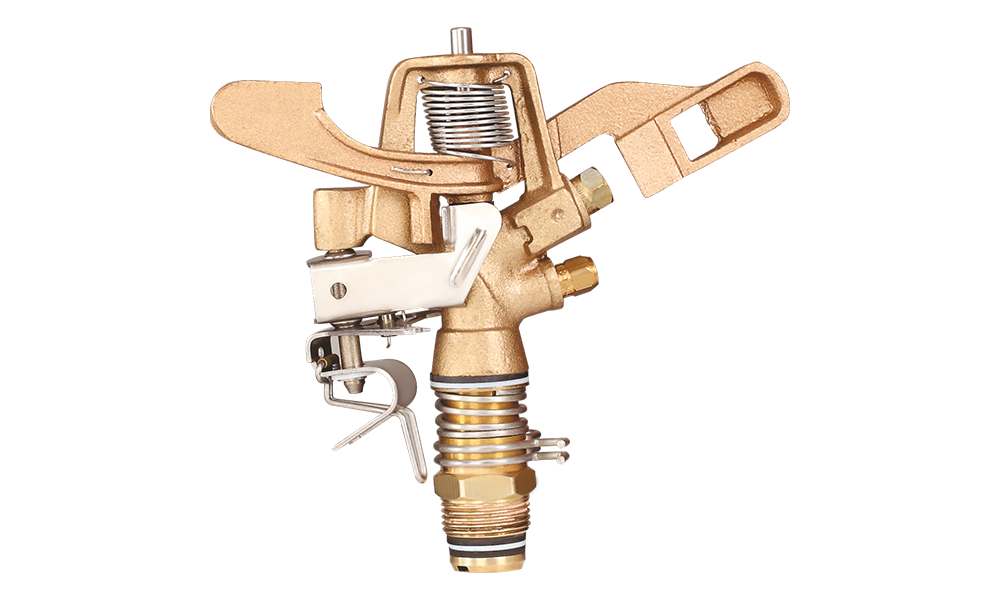
On smaller plots or nurseries, a mini or micro sprinkler is more than enough to keep the surface damp and gentle on young plants. But when you’re dealing with big mustard fields, an impact sprinkler is the one to trust. It turns steadily and gives good, even coverage all around.
The spacing between sprinklers and the pressure you run them on matter a lot too. Once the system’s adjusted properly, you can actually see the difference. The water spreads nicely across the field, no standing water, no dry corners.
Sprinklers That Work Well for Mustard
At Automat, we’ve worked closely with farmers across India who grow mustard and similar oilseed crops. Farmers often go for the HT-22U because it’s simple to use and spreads water evenly even when the pressure is low.
For larger fields, sprinklers like the HT-46 Saaras or the HT-30PM (Saaras Jumbo) have proven reliable year after year. These are built for strength and uniformity, even when the water pressure changes or wind speed picks up. They’re easy to service, and their design helps save water without reducing performance.
Each of these sprinklers is part of a system that’s meant to last — something every farmer values.
Why Sprinklers Fit Mustard Farming So Well
A good sprinkler setup helps from the very first stage of mustard growth. The seeds get a steady layer of moisture for even germination, and as the plants grow, the roots stay well-fed without being waterlogged.
This even watering also means fertilizers mix better with the soil instead of draining away. Farmers have noticed that the crops look healthier and grow more uniformly. It’s not just about appearance when every plant gets the same care, the yield improves too.
And because the sprinklers run at low pressure, the system uses less power. Once installed, it’s easy to run with minimal supervision, which gives farmers more time for other work around the farm.
Understanding Sprinkler Farming Tools
The sprinkler itself does most of the visible work, but a few smaller parts quietly keep everything running smoothly. Filters stop dust and dirt from entering the pipes. Pressure regulators make sure the water flow stays steady. And the connectors hold the entire system together.
Each of these sprinkler farming tools plays an important role. Clean filters prevent clogging, while good-quality regulators and joints make sure the system runs efficiently for years.
How to Keep the System in Good Shape ?
Maintenance doesn’t take much. Farmers usually rinse the filters once a week, check for leaks, and make sure the nozzles aren’t blocked. Most Automat sprinklers have simple bayonet-type nozzles that twist off easily for cleaning.
A quick look before each watering round keeps things working smoothly. Regular checks save water, reduce wear and tear, and help the system last through many seasons.
Can Sprinklers Really Save Water ?
Yes, that is one of its biggest strengths of a sprinkler. The traditional flood irrigation often wastes a large share of water. With a sprinkler irrigation system, water falls slowly, just as fast as the soil can absorb it.
Farmers often notice they can irrigate more land with the same water source once they switch to sprinklers. That matters even more in dry regions where groundwater levels are falling every year.
Farmers’ Experience from the Field
Across Rajasthan, Haryana, and Madhya Pradesh, mustard farmers who’ve adopted sprinklers say they’ve seen the difference in just one or two seasons. The soil stays loose and workable, the plants look more uniform, and the yields have become more predictable.
Fields also get easier to manage now because instead of shifting water channels or blocking drains, the farmers can just turn a valve and let the sprinkler do the work.
Wrapping It Up
A good sprinkler system gives farmers control. For mustard growers, it means even moisture, healthier plants, and better use of both water and power.
At Automat, we’ve seen how these systems have quietly transformed farms across the country. Whether it’s a small plot or a big field, the idea is to make every drop count and help the Earth stay productive for the years to come.
FAQs
How much irrigation is required for mustard?
Mustard usually needs about three to four rounds of irrigation through its growing season, depending on the soil and weather.
What is the function of sprinkler in agriculture?
A sprinkler spreads water evenly across the field, just like light rain, so every plant gets the right amount without wasting water.
What is the critical stage for irrigation in mustard?
The flowering and pod formation stages are the most important; missing irrigation then can really affect the yield.
How much water does mustard need?
On average, mustard needs around 350 to 400 millimetres of water during its full growth cycle, though it can vary with climate.
How much rainfall is needed for mustard?
Mustard grows best in areas that get moderate rainfall
In which season is mustard sown?
It’s mainly a rabi crop, so farmers sow it in the winter months, usually from October to November.
What is the irrigation method for mustard?
Sprinkler irrigation is one of the best methods for mustard since it keeps the moisture uniform without flooding the soil.

Download Mobile App


Get in touch

Plot no. 18-19, Dilshad Garden, G.T. Road, New Delhi 110095.


