
Popular Searches
Popular Searches

How Plastic Sprinklers Reduce Water Wastage in Farming Fields
The first drops of rain are always the sweetest- the way they settle the dust, cool the air, and wake up the plants.
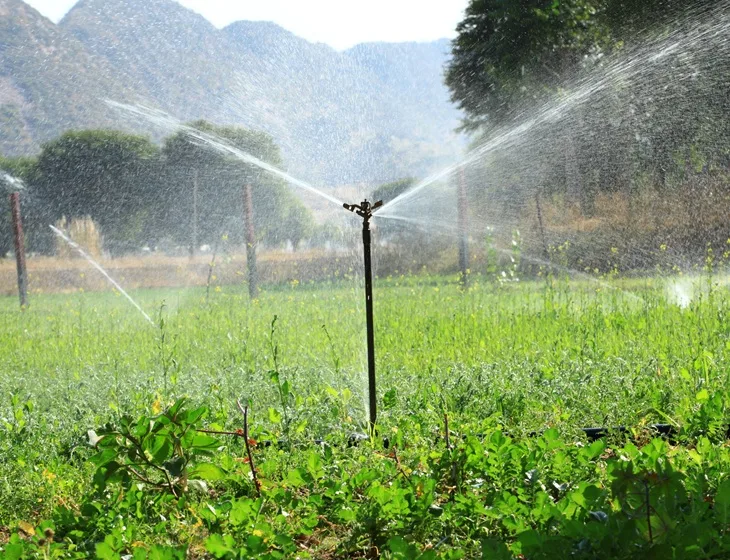
The first drops of rain are always the sweetest- the way they settle the dust, cool the air, and wake up the plants. A plastic sprinkler works on the same idea. Instead of flooding the soil and losing water to runoff, it gives a steady, gentle shower across the field, just enough for the crops to drink without waste.
Why Water Gets Wasted in Farming ?
Traditional irrigation methods like flood irrigation, often look impressive where the whole field gets flooded with water in one go. But anyone who’s worked the land knows the problems that follow. Some patches soak too deep, some stay dry, and a lot of water simply runs off before it can do any good. In hot weather, evaporation eats away at even more of it.
This uneven spread doesn’t just waste water, it stresses crops. Some plants drown while others thirst. Over time, yields suffer and so does the soil. That’s why sprinklers, especially lighter and more durable plastic ones, have become such a welcome change in many farming fields.
How Plastic Sprinklers Save Water ?
At first glance, a plastic sprinkler for farming doesn’t look like much. Setting it up takes hardly any time, and it’s easy enough to shift from one spot to another. But when the sprinkler starts running, the difference it makes in the field is hard to miss.
Instead of water rushing in and forming puddles, the sprinkler spreads it gently, almost like rain. The soil actually gets the chance to soak it up, and you don’t see the usual runoff at the edges. Even under low pressure, good quality sprinklers do their job, which means you’re not burning extra energy just to keep them running. And since they’re made of tough plastic, they don’t rust or wear out the way metal ones often do.
In the end, a water saving plastic sprinkler is less about fancy technology and more about making sure the water you have actually reaches the crops that need it.
Different Kinds of Plastic Sprinklers
Not all sprinklers do the same job. Crops, soil types, and weather all call for different approaches. Here are a few common designs:
1. Plastic Impact Sprinkler
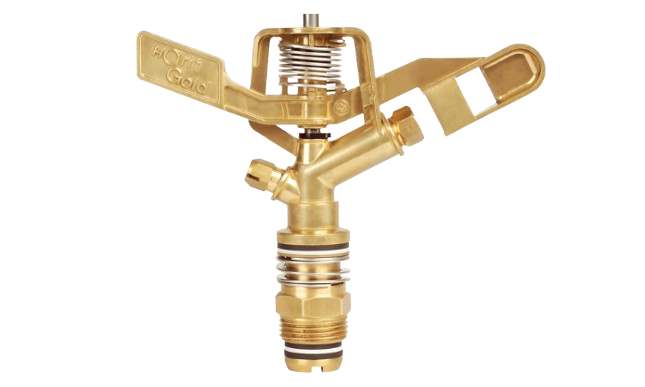
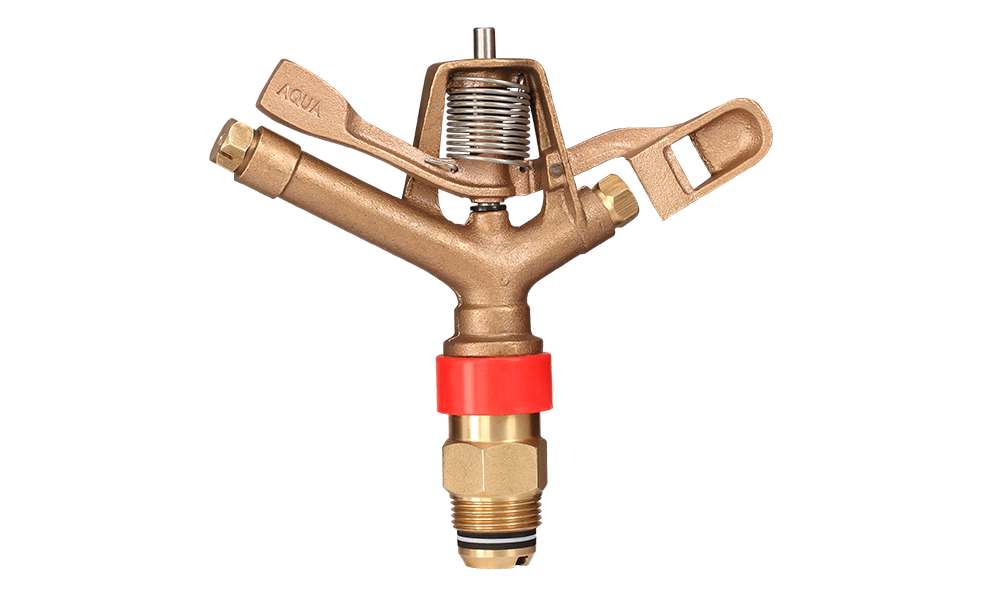
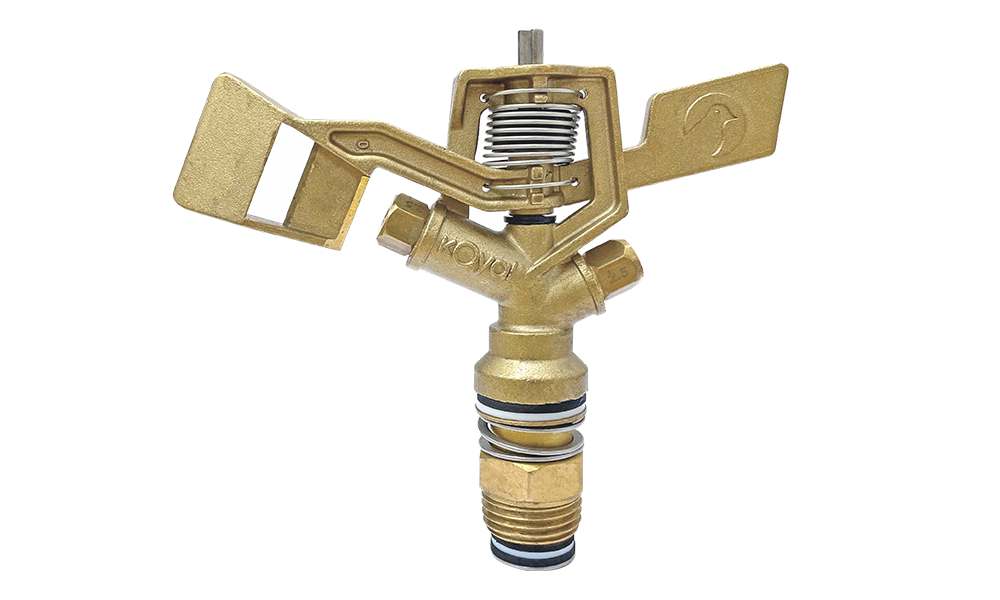
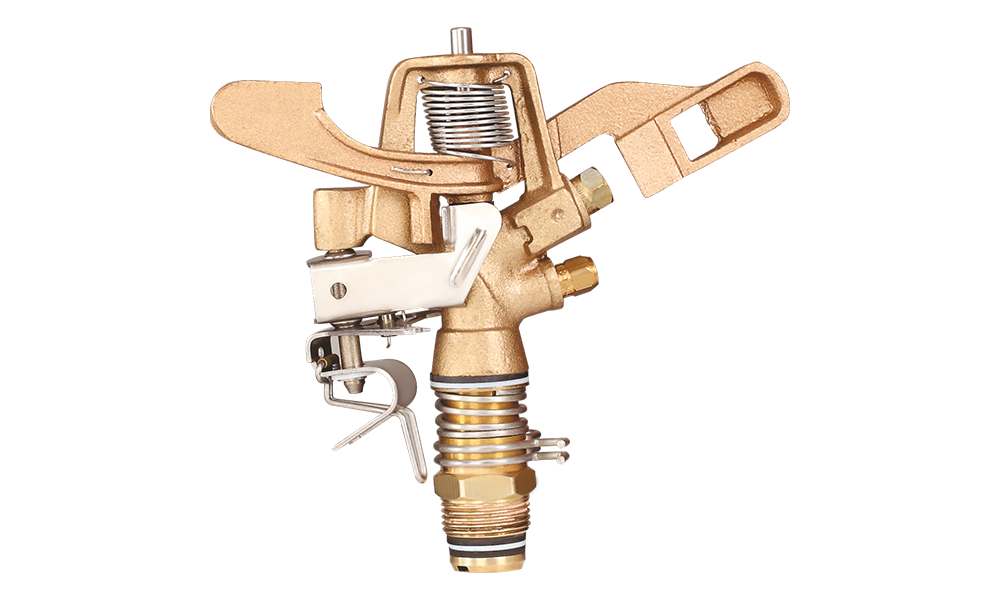
Plastic Impact Sprinklers use a spring-loaded arm mechanism that converts water pressure into controlled rotation, distributing water evenly in a circular or semi-circular pattern. Available in regular and mini sizes, they are durable, corrosion-resistant, and easy to install. You can easily adjust how far and how much water the sprinkler sprays, which makes it a good fit for everything from gardens and orchards to open crop fields.
2. Micro Sprinklers and Foggers:
Some crops don’t need a strong gush of water; they do better with a gentler touch. Micro sprinklers are perfect for that. They lightly water orchards and plantations, keeping the ground moist without overdoing it. Foggers create a fine mist that keeps young seedlings cool and fresh, almost like a morning dew. And when the goal is precision, micro jets step in, sending water right where it’s needed so every plant gets its fair share.
Uses of Sprinklers in Agriculture
The uses of sprinkler in agriculture go far beyond just watering crops. They keep nurseries damp, help vegetables and grains grow evenly, guard plants against frost on cold nights, and even carry fertilizers mixed in water. On hot days, they cool the field down too.
Why Plastic Wins in the Field ?
Metal sprinklers have their place, but plastics have steadily taken over for good reasons. They’re lighter to carry, easier to install, and they don’t rust. In regions with water that contains minerals, this makes a big difference in long-term use.
A plastic sprinkler system in agriculture is also more cost-effective over time. With less water wasted and less energy required for pumping, operating costs go down.
Different Types of Sprinklers – Flow Rate, Coverage & Connection
| Sprinkler Size | Flow Rate Range (LPH) | Coverage Diameter (Meters) | Typical Field Connection | Recommended Application |
|---|---|---|---|---|
| ½” Sprinkler | 400 - 800 LPH | 7 – 10 meters | ½" Male Thread | Small fields, orchards, vegetable beds |
| ¾” Sprinkler | 800 - 2000 LPH | 10 – 15 meters | ¾" Male / Female Thread | Medium-sized farms, orchards, field crops |
| 1” Sprinkler | 2000 - 3600 LPH | 12 – 18 meters | 1" Female Thread | Large open fields, wide-spacing row crops, pastures |

Everyday Life with Sprinklers
Farmers who’ve moved from flooding to sprinklers often say the biggest change is in their routine. Instead of standing around to push water this way or that, they can switch on the sprinklers and get on with other work, knowing the field is being covered evenly. One farmer in Rajasthan put it simply: “Before, half my water would collect in one corner while the rest of the field stayed dry. With sprinklers, every row gets its share.”
You can see that difference in the crops too. Plants grow at a better pace, harvests come together more evenly, and the soil isn’t washed away by sudden surges of water. For vegetables or nursery plants, the gentle spray also means the roots stay intact instead of being disturbed by heavy flow.
And since sprinklers can be shifted or spaced out differently, farmers don’t have to stick to one setup. They can adjust them from one plot to another depending on what they’re growing. That bit of flexibility is why many say plastic sprinklers are now their first choice.
Beyond the Field: The Bigger Picture
Water saved today keeps the fields alive for tomorrow. That’s something every farmer understands deep down. In many areas, wells don’t fill up the way they used to, and the rains have become harder to predict. When farmers switch to sprinklers that work like rainfall, they don’t just help their own fields, they help stretch the water for the whole community. When you save water bit by bit, it shows results that are worth the efforts over time.
Automat’s Contribution
Over the years, Automat has made irrigation easier for farmers who need tools they can rely on. Their sprinklers are built to last, whether it’s an impact model for open fields or a micro version for nurseries and smaller crops. What farmers appreciate most is that these systems don’t demand constant upkeep.
Wrapping it Up
At the end of the day, farming is about balance between soil, weather, and water. A plastic sprinkler may look simple, but it helps keep that balance by spreading water like light rain instead of letting it go to waste.
FAQ's
How do I reduce water usage on my sprinkler system?
Keep an eye on timing and pressure. Water early in the morning and check that nozzles aren’t clogged or leaking. Small fixes save a lot of water.
Are plastic sprinklers better than metal sprinklers?
For most farms, yes. They’re lighter, don’t rust, and are easier to move around while still doing the same job.
Can plastic sprinklers be used for all crops?
Pretty much. You can adjust spacing and pressure to suit everything from vegetables and pulses to grains and nurseries.
How long do plastic sprinkler valves last?
With basic cleaning and care, a good one can last several years without much trouble.
What plastic are sprinklers made of?
Most are made from tough engineering-grade plastic that can handle sun, water pressure, and field conditions without cracking or corroding.

Download Mobile App


Get in touch

Plot no. 18-19, Dilshad Garden, G.T. Road, New Delhi 110095.


