
Popular Searches
Popular Searches

How Can Farmers Optimize Agricultural and Water Management in Drought-Prone Areas?
When the rains hold back and the land starts to feel it, farmers don’t have the luxury of waiting. Water becomes the most valuable part of the equation, and often, the most unpredictable. In drought-prone areas, it is not about using more water, but using it better.
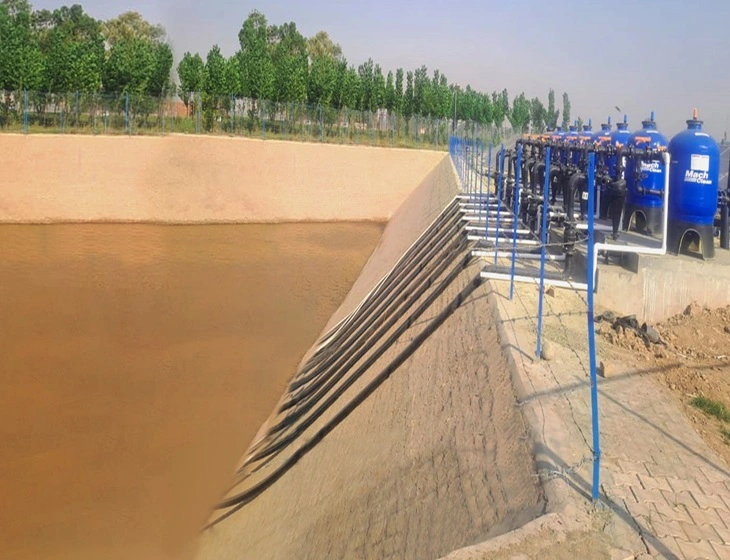
When the rains hold back and the land starts to feel it, farmers don’t have the luxury of waiting. Water becomes the most valuable part of the equation, and often, the most unpredictable. In drought-prone areas, it is not about using more water, but using it better.
That means knowing when to irrigate, how much is enough, and which methods actually make a difference in the long run. It is not theory but rather day-to-day decision-making, and getting it right which can change everything.
Agricultural and water management is the process of using water effectively across the farm — from how it is sourced to how it is delivered to the crops. It covers irrigation, understanding of the soil, crop drainage, and even the quality of water being used. In drought-prone areas, it makes all the difference between a struggling field and a sustainable one.
Common Challenges in Drought-Prone Farming Areas
In places like Marathwada, Bundelkhand, and north Karnataka, drought isn’t a one-off event, but rather a part of the farming calendar. When the monsoon skips a beat, everything stalls. Sowing gets delayed, fields dry up, and crops fail before they’ve even had a chance. The impact of drought on farming is not limited to this.
Farmers who rely on open wells or seasonal canals often find them empty by mid-season. Borewells run deeper every year, and even then, they don’t guarantee water. For those without backup systems, the choices are limited. They spend more on diesel pumps, cut down the cultivable area, or risk the crop anyway.
There’s also the soil. Without regular moisture, it hardens and cracks, and fertility drops. Even when water becomes available, it doesn't seep in the way it should. And over time, that takes a toll on the land itself.
These are the realities farmers face, year after year, with no clear idea of when the next good monsoon will come. This is where agricultural and water management play key roles.
Proven Strategies to Optimize Water Use in Agriculture
Improving irrigation water efficiency is the key to survival. Efficiency doesn’t always mean high-end tech but it rather starts with smarter choices that are often simple. Here are some proven approaches that are already working in Indian fields:
-
Drip Irrigation That Targets the Roots
Drip systems deliver water right where it is needed — near the plant roots — and cut down losses from evaporation or runoff. Farmers in Maharashtra and Tamil Nadu using drip irrigation for vegetables and sugarcane have reported lower water consumption and better yields, even in patchy rainfall years.
- Building Ponds to Store Rainwater
A well-placed pond on the farm can hold enough rainwater to get through a dry spell. In parts of Bundelkhand and eastern UP, farmers are reviving this practice — either through state-supported schemes or on their own — to reduce dependency on borewells.
-
Switching to Crops That Can Handle the Heat
Crops like millets, pulses, and certain oilseeds need much less water than paddy or sugarcane. In Karnataka, many farmers are moving back to millets because the soil handles it better in the long run.
-
Smarter Timing in Rice Fields
The method called Alternate Wetting and Drying (AWD) avoids flooding rice fields continuously. Instead, water is added only when needed. It works best when farmers keep an eye on field conditions — and in trials, it has helped save up to 30–40% of water without hurting yields.
-
Sowing with Wider Gaps and Younger Plants
In SRI (System of Rice Intensification), farmers transplant young seedlings, space them out more, and use less standing water. This has already shown success in Odisha, Bihar, and Tamil Nadu, where farmers have seen both water savings and yield jumps.
-
Using Mulch to Lock in Moisture
Covering the soil with dry crop residue or organic matter helps hold moisture for longer. Especially in high-temperature areas, this can mean fewer irrigation cycles and less stress on crops.
-
Checking Soil Before Turning the Pump On
Some farmers now rely on simple soil moisture sensors or even just routine field checks before irrigating. It cuts down on guesswork, and over time, it saves both water and electricity.
Technology and Innovations Supporting Water-Efficient Farming
Farming today doesn’t rely on guesswork because they now have better tools to work with. Especially in drought-prone areas, where every irrigation cycle matters, smart agriculture technologies and micro irrigation systems are helping make decisions sharper and water use more precise.
Sustainable irrigation techniques include using:
-
Sensors that read the soil
Soil moisture sensors give real-time data on how much water the root zone actually needs. Instead of watering on a fixed schedule, farmers can irrigate based on what the field demands. It is already helping reduce water use, especially in crops like cotton, groundnut, and vegetables.
-
Mobile apps that track conditions from the field
Many farmers now use simple mobile apps that connect weather data, soil conditions, and irrigation recommendations. They are tools built to save water and reduce input costs, especially useful in remote areas with limited support.
-
Remote irrigation control systems
With timers, flow sensors, or basic automation kits, farmers can now control when and how much water is released, even without being physically present at the pump. This avoids overwatering and reduces dependency on manual monitoring, especially useful for drip and sprinkler setups .
-
Geographic Information System (GIS) and satellite monitoring
Mapping tools can track changes in crop health, water stress, drought impact on farming, and soil variation across large fields. While this sounds high-end, many services are scaling down these tools to suit smallholders, even helping farmers decide where to irrigate more or less, based on visible stress.
-
Low-pressure sprinkler systems
In areas where water or power is scarce, low-energy sprinklers allow farmers to irrigate larger patches without draining resources. These systems use minimal pressure and are especially useful for field crops where even coverage is important.
-
Water budgeting and planning models
In some drought-affected regions, community-based water budgeting tools are being introduced. These help farmers plan irrigation based on local water availability and crop needs, encouraging shared responsibility and better long-term use of groundwater.
Water conservation in agriculture doesn’t require high-tech tools to be effective. What matters is that they fit the scale of the farm, are easy to use, and give farmers control over how they manage their most limited resource.
A lot of these systems are already within reach — and companies like Automat are helping make them easier to adopt. Whether it's setting up a reliable sprinkler layout or helping farmers plan water use better, the goal is simple: get more out of every drop, without overcomplicating things.
Long-Term Benefits of Effective Water Management
Effective practices don’t just save water but also improve crop yields, reduce costs, and support long-term sustainability. The agricultural water management impact factor is clear on the ground. Fields stay productive, soil remains healthy, and farmers gain more control over uncertain seasons.
Needless to say, tools alone aren’t enough. What matters is who helps you put them to work.
That’s where a partner like Automat fits in — bringing field-tested experience, straightforward solutions, and a deep understanding of how Indian farms actually operate.
Automat has spent decades listening to what farmers need, and building systems for agricultural and water management that meet those needs without waste. The work’s not flashy — but when the rains fail, it’s the kind of work that keeps crops alive.
FAQs
What is agricultural and water management?
It is how farmers manage the water they have; deciding when, where, and how to use it so crops don’t suffer.
What is the importance of water in agriculture?
Water keeps the farm alive. Without enough of it, even the best seeds and soil can’t deliver a good harvest.
What is the most efficient irrigation method for dry regions?
Drip irrigation works well as it uses less water and still gets the job done, especially when rains fall short.
How can farmers harvest and store rainwater effectively?
Digging a small pond or building bunds around fields can help collect and store rain for when it is really needed.
Are there affordable water-saving tools for small-scale farmers?
Yes, there are simple kits and tools now that don’t cost much but still help cut down on water use. In fact, in some cases, farmers can now convert their existing manual Drip irrigation system into an Automated system and save on water and manual labour. Automat’s Autodrip Automation Kit is one such example.
What crops grow best in drought-prone areas?
Millets, pulses, and a few oilseeds don’t demand too much water and can handle tough weather better.
How can technology help monitor water usage in farming?
Even a basic soil moisture sensor or phone-based app can help farmers decide when to water and when to hold off.
Download Mobile App


Get in touch

Plot no. 18-19, Dilshad Garden, G.T. Road, New Delhi 110095.


