
Popular Searches
Popular Searches

Which Type of Micro Sprinkler Is Ideal for Strawberry Farming?
There’s something about strawberries that takes you back. Maybe it’s the smell from a roadside fruit stall, or that moment when you bit into one straight from a basket, still warm from the sun.
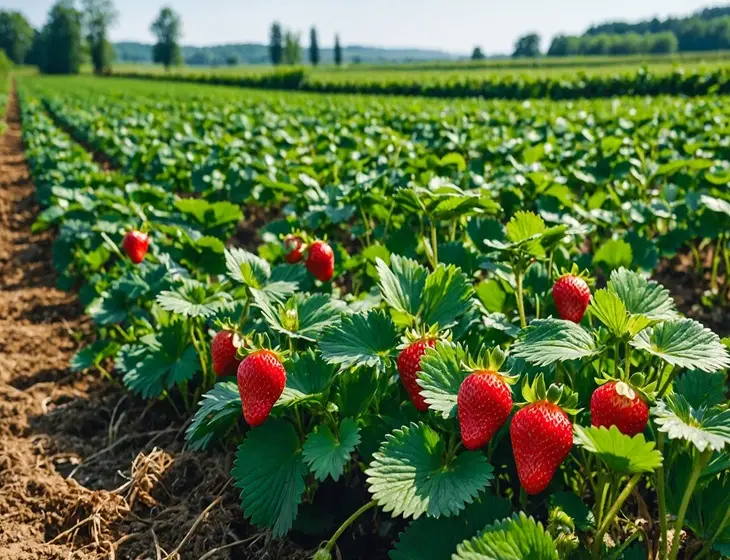
There’s something about strawberries that takes you back. Maybe it’s the smell from a roadside fruit stall, or that moment when you bit into one straight from a basket, still warm from the sun. What most people don’t see is the patience behind those bright red fruits- how carefully farmers manage every drop of water. Too much, and the roots start to rot. Too little, and the fruit dries before it ripens. That’s where a good micro sprinkler quietly does its job, helping the field stay fresh and balanced through the season.
Getting the Water Right
Strawberries love moist soil, but not wet feet. Their roots are shallow and can’t handle flooding or dry spells for long. The trick is to give them just enough water to keep the topsoil damp without turning it muddy. That’s easier said than done if you’re relying on old irrigation methods.
A micro irrigation system for strawberry farming takes that guesswork away. It lets water fall in tiny, even droplets, much like light rain. The soil absorbs it slowly, and the plants get time to breathe. Farmers say it’s this steadiness that gives the berries their size and shine.
Knowing What Strawberries Need
If you’ve ever grown strawberries, you know how quickly they react to water changes. They usually need around 25 to 30 millimeters a week, but the timing matters more than the number. During flowering and fruiting, a miss can show up directly in yield.
That’s why a steady strawberry watering system is so important. Instead of large rounds once in a while, farmers use frequent short rounds that keep moisture levels stable. The difference shows; the plants stay stronger, and the fruits come out fuller and juicier.
Picking the Right Micro Sprinkler Set
Now comes the real question: which sprinkler works best?
It depends a lot on your field size and layout.
For small strawberry beds or greenhouse setups, the HT-200 (Aquahaze) works beautifully. It gives fine, even droplets that don’t damage the fruit or splash soil onto the leaves. Installation is quick, and it performs well even with low water pressure.
If the farm is slightly larger, the HT-203 (Aqua Spray) is a solid choice. It maintains good coverage across rows and spreads water evenly, even when the pressure varies a little. For uneven terrain or wider spacing, the HT-206PC handles flow regulation on its own, keeping water distribution consistent from one end of the line to the other.
All these can be used together in a micro sprinkler set, designed to match the spacing of strawberry plants so that not a single corner goes dry.
Designing a System That Fits the Farm
A micro irrigation layout is never one-size-fits-all. Soil type, slope, and spacing between rows decide how the sprinklers are placed. Typically, for strawberries, the nozzles are 3 to 4 meters apart, close enough to keep the topsoil damp, but far enough to avoid overlap.
In smaller farms, a mini sprinkler irrigation system is often preferred. It works at low pressure and covers short distances, making it gentle on young plants. For larger fields, sprinklers with adjustable flow and spacing make sure every bed gets its fair share.
An efficient setup also includes filters to keep particles out, and valves that help water different sections separately. Together, these parts turn into a complete micro irrigation system design that saves both water and energy.
Why Micro Sprinklers Work So Well for Strawberries ?
When you walk through a field with micro sprinklers running, it feels like a soft drizzle. The leaves stay fresh, and the air turns slightly humid, perfect for strawberry plants.
Sometimes, when farmers use flooding or furrows, parts of the soil get soggy while others barely get wet. With a micro spray sprinkler, the water spreads softly and evenly, soaking in just right and keeping the soil firm and healthy.
With time, this steady way of watering keeps the plants healthier, helps the fruits develop a richer color, and usually gives a better harvest too. Most farmers also notice that the soil stays easier to work with and doesn’t harden between crops.
How Technology Helps
Today, micro irrigation companies in India are focusing on making irrigation smarter and simpler. At Automat, that’s been our focus too- building systems that last, save water, and don’t need constant adjustment.
Micro sprinklers are part of this bigger change in agricultural and water management. They help control how and when it’s used. When used with simple tools like timers or soil sensors, the system can tell when the field really needs water. It just makes things easier with less wastage, and the crop responds better.
Water, Effort, and Care
For a strawberry farmer, water is a part of the daily rhythm. Too much sun or too little rain are things no one can control. But how the water reaches the soil, is a part that can be managed.
Micro sprinklers make that job lighter. They reduce guesswork and cut down the time spent checking for dry spots. Whether it’s for a small family farm or a large plantation, these systems keep the crop consistent and the soil in good shape for the next season.
Wrapping It Up
Growing strawberries takes patience, but it’s the small choices like how the soil is treated, how pests are handled, and how water is shared across the beds, that make the big difference. A good micro sprinkler system quietly supports all of that.
At Automat, we’ve seen how much smoother things get when farmers switch to micro irrigation. Less water gets wasted, plants grow more evenly, and the field feels more alive. It is not a fancy change, just a thoughtful one, and sometimes, that’s exactly what farming needs.
FAQs
What's the best way to water strawberry plants?
Light, frequent watering that keeps the soil slightly moist works best. It’s all about meeting the strawberry irrigation requirements without letting water stand around the roots.
Can micro sprinklers be used for strawberries?
Yes, they’re ideal. Micro Irrigation for Strawberry Farming gives a gentle, even spread of water that keeps both soil and fruit healthy.
What is the most successful strawberry growing method?
Most farmers prefer raised beds with micro sprinklers or drip lines — they help control moisture and prevent rot around the base of the plant.
How much water is needed for strawberry plants per day?
It usually depends on the weather, but on average, strawberries need just enough to keep the topsoil damp. Overwatering can harm them more than skipping a round.
How to increase strawberry yield?
Keep the moisture steady, feed the soil well, and don’t let weeds compete for space or water. The right irrigation timing makes a huge difference in fruit size.
How to grow strawberries very fast?
Plant healthy runners in rich, loose soil and keep them evenly watered. With enough sun and care, they start showing flowers sooner than you’d expect.
How long do strawberries take to grow?
Usually around three months from planting to picking, though that can shift a little with the weather and the type of strawberry.
How do micro sprinklers save water?
Micro sprinklers water only as much as the plants actually need and right where it counts. Nothing really goes to waste, and the soil stays in good shape for the next crop too.

Download Mobile App


Get in touch

Plot no. 18-19, Dilshad Garden, G.T. Road, New Delhi 110095.


