
Popular Searches
Popular Searches

How Micro Irrigation System Helps Reduce Water Wastage in Mustard Fields
Mustard fields paint a beautiful picture in winter, starting deep green and turning golden as the days pass. Yet behind this calm view, farmers face the challenge of maintaining the right water balance—too much moisture weakens the crop, while too little reduces yield.

Mustard fields paint a beautiful picture in winter, starting deep green and turning golden as the days pass. Yet behind this calm view, farmers face the challenge of maintaining the right water balance—too much moisture weakens the crop, while too little reduces yield. That’s where micro-irrigation systems like ¾” sprinklers make a difference, ensuring each plant gets just the right amount of water. Mustard, or Sarson, is one of India’s most important Rabi oilseed crops, sown in October–November and harvested in February–March. It grows best in cool climates and well-drained soils. Rajasthan leads in production, followed by Madhya Pradesh, Haryana, Uttar Pradesh, and Gujarat. India produces around 12–13 million metric tons of mustard annually, and with increasing use of sprinkler irrigation, the crop continues to offer high profitability and sustainability for Indian farmers.
Getting the Water Balance Right
Mustard doesn’t ask for much, but it does ask for care. The roots are short, and the soil dries quickly, especially when the cold winds blow through the Rabi season. Flood the field once and it looks fine for a few days, but soon the top crusts over and the roots begin to struggle for air. Skip irrigation, and the flowers dry up before setting pods.
That’s why many farmers have shifted to micro irrigation systems. Instead of flooding the whole plot, the water seeps gently near the roots. The soil stays moist longer, and every drop finds its use. No standing water, no waste.
How It Works in Simple Terms ?
It may look like a bunch of thin pipes and fittings, but a micro irrigation setup keeps the whole field alive and balanced. The thin pipes run through the field, carrying water at low pressure. Little nozzles or sprinklers let it out slowly, giving the soil enough time to soak it in. You can control when it starts, how much water goes in, and even which section of the field gets it.
When planned properly, a micro irrigation system design makes sure that every plant from one corner to the other, gets the same care. No patches are left too wet or too dry. And that balance is what makes mustard grow strong.
Why It Suits Mustard So Well ?
Mustard likes light, steady watering. A strong gush can flatten young plants, but a soft spray keeps them fresh and upright. Micro irrigation system for Mustard Fields do exactly that. The water comes out in a soft spray, just enough to wet the soil evenly across the rows.
Farmers say the change is easy to notice. The plants grow at the same pace, the soil feels softer, and the crop looks fuller by harvest. Many prefer mini sprinkler irrigation systems because they can adjust the spray or shift the setup without much hassle.
Water Management That Actually Works
Good irrigation isn’t about pouring more water. It’s about knowing when and how much to give. With micro irrigation- farmers can water their fields for shorter periods but more often. The moisture stays where it’s needed most - near the roots.
That’s the essence of irrigation water management. When the water is used right, it doesn’t run off, and it doesn’t evaporate before the plants get it. It stays in the soil, feeding the crop quietly through the day.
Looking at the Bigger Picture
Across India’s mustard-growing regions, from Rajasthan to Haryana, the struggle for water keeps getting tougher each year. Groundwater levels drop, and electricity costs rise. Farmers need systems that can work smart, not just hard.
That’s where proper agricultural and water management plays a huge role. A small change like micro irrigation can cut down water use drastically while keeping yields steady. It saves not just water, but time and energy too.
What We’ve Seen at Automat
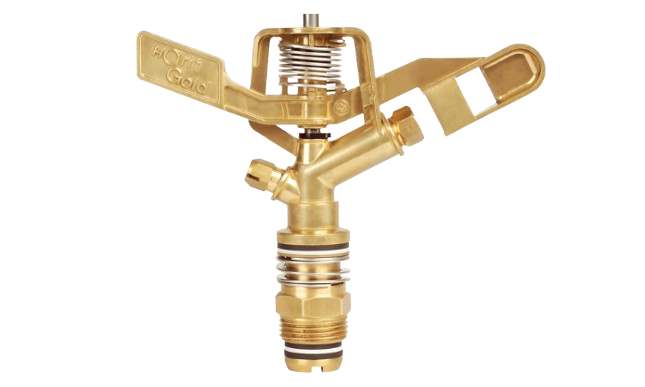
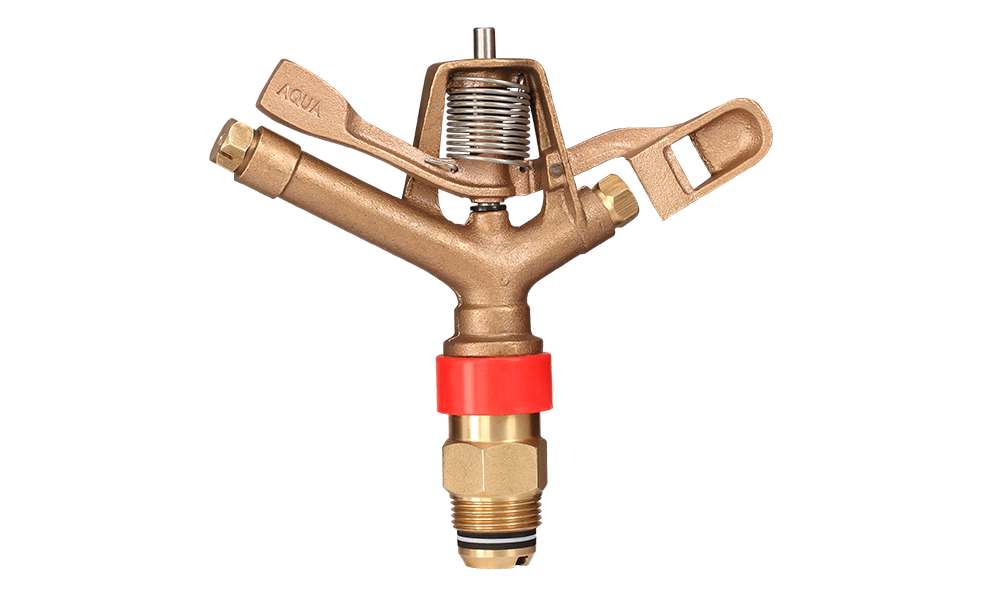
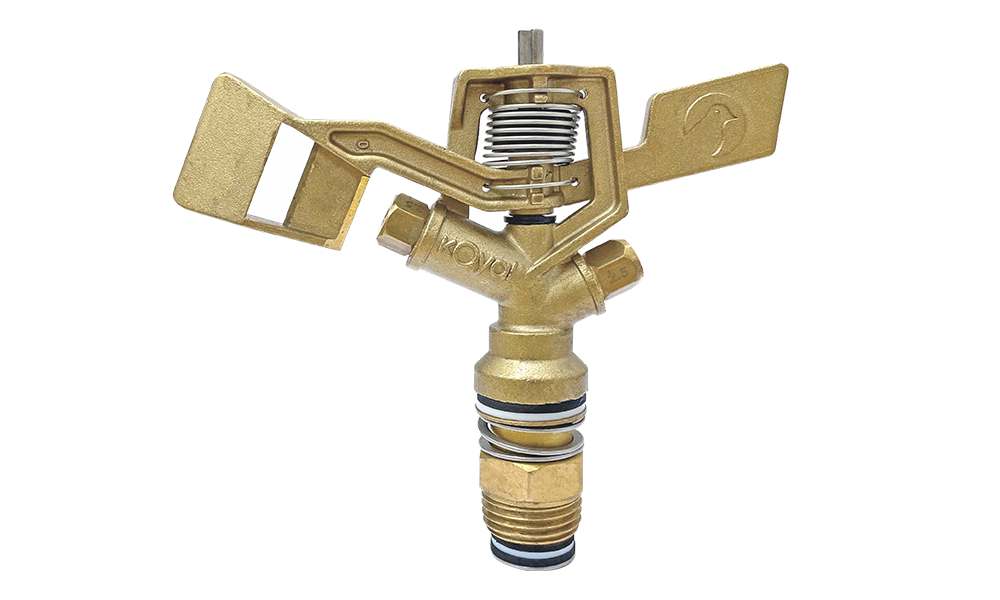
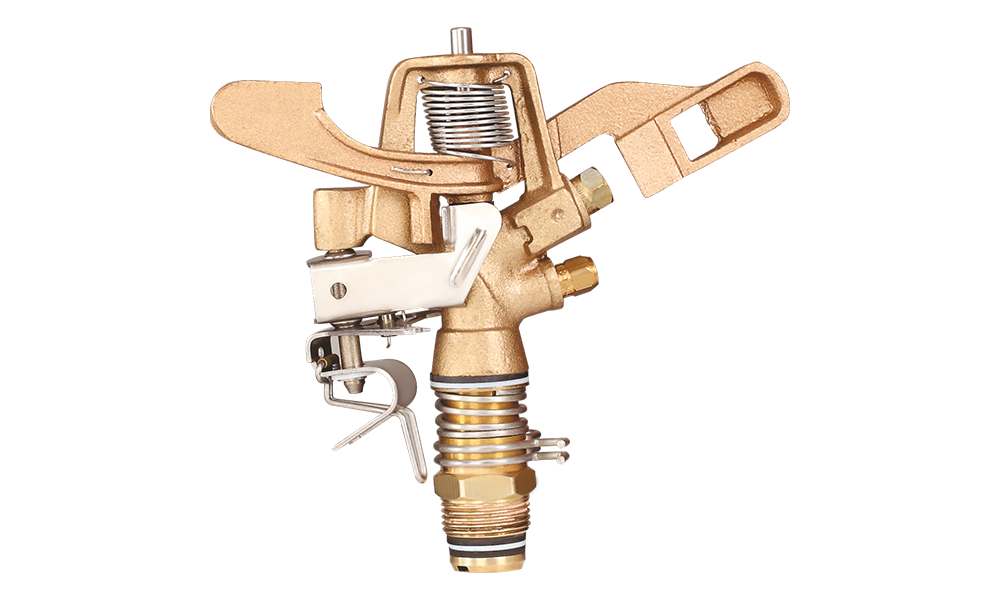
At Automat, we’ve seen this change unfold across mustard farms. Farmers using our sprinkler irrigation system for Mustard Crops, such as the plastic impact sprinkler HT-46 and HT-3PM, metal impact sprinkler HT-20G, often tell us how evenly their fields now grow. These sprinklers are made for low-pressure use, but they still manage to cover the field uniformly. Once installed, they need very little attention, just a quick cleaning now and then.
They’re simple, sturdy, and built for the kind of soil and weather Indian farms deal with every day.
In the Long Run
A good sprinkler irrigation system does more than save water. It keeps the soil alive. It prevents hardening, keeps nutrients from washing away, and cuts down weeds since only the crop rows get wet. Over time, that care adds up. The land stays fertile, the crop stays healthy, and the farmer saves both water and effort.
Wrapping It Up
For farmers, water can be both a blessing and a bit of a gamble. Micro irrigation makes it easier to find that balance. It saves water, keeps the soil healthy, and gives the crop what it needs without the extra fuss.
At Automat, that’s really what we aim for: tools that make life on the field a little easier and a lot more reliable.
FAQs
What is the best irrigation method for mustard?
It’s best to keep the soil slightly moist all the time. A ¾” sprinkler or micro irrigation setup makes that easy to manage.
How much water does mustard need?
Mustard doesn’t need too much, just enough to keep the top layer of soil damp during its main growing stages.
Which irrigation method is best for mustard farming?
Most farmers prefer micro irrigation sprinkler systems because they give a gentle, uniform spray that suits mustard’s shallow roots.
What is the irrigation schedule for mustard crops?
Water once after sowing, then again during flowering and pod formation. Those are the most crucial times.
How much rainfall is required for mustard?
Around 40 to 50 cm of rainfall through the season is usually enough, though irrigation helps when rains are uneven.

Download Mobile App


Get in touch

Plot no. 18-19, Dilshad Garden, G.T. Road, New Delhi 110095.


