
Popular Searches
Popular Searches

Best Irrigation Water Management Methods for Rabi Crop
Rabi season starts once the monsoon has passed, the skies are clearer, and the fields begin to dry.
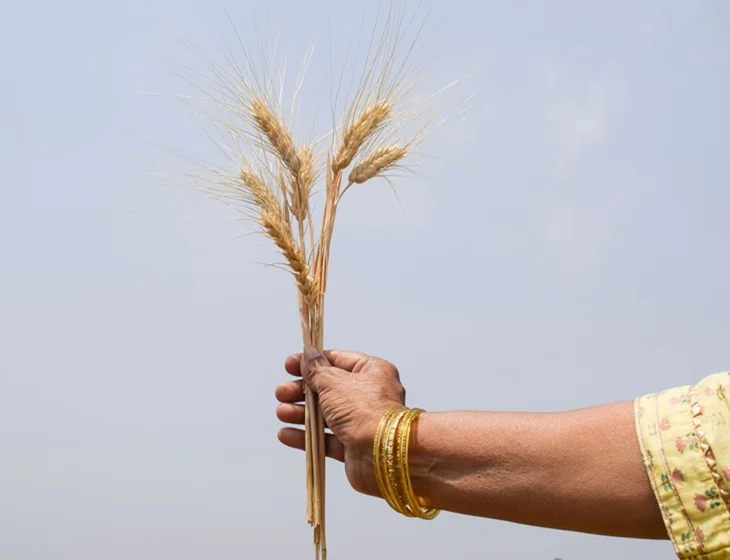
Rabi season starts once the monsoon has passed, the skies are clearer, and the fields begin to dry. This is when farmers get ready to sow wheat, mustard, pulses, and other winter crops. Unlike the Kharif months, there’s no rain to fall back on, and so irrigation becomes the lifeline.
That’s where irrigation water management comes in. It’s really about being smart with water: giving crops just what they need, when they need it, and not letting any of it go to waste. Simple choices when it comes to watering schedules, can decide whether the harvest turns out average or excellent.
Understanding Rabi Crops and Their Needs
Rabi crops are planted once the monsoon has ended, usually between October and December, and they’re harvested in the spring. Wheat, mustard, gram, barley, peas, and lentils are some of the main one’s farmers count on in this season.
Since winter doesn’t bring much rain, these crops rely almost completely on irrigation. They don’t need as much water as summer crops, but timing and accuracy matter a lot. Wheat, for instance, must be watered at the crown root initiation stage and again when the grains are filling out. Mustard, on the other hand, can get damaged if too much water stands in the field. That’s why irrigation water management for Rabi crop is less about quantity and more about being precise, and making sure that the soil gets just the right amount at the right stage.
Why Irrigation Water Management Matters ?
For farmers, water is always at the center of the work, but in the Rabi months it needs extra attention. The soil can’t be too dry, and it also can’t stay soggy for long as both extremes hurt the crop. What each plant needs also changes as it grows. Wheat, for example, needs steady moisture when the roots are forming, while mustard can suffer if it’s given too much at the wrong time.
That’s where good irrigation water management methods really help. They guide farmers on three simple but important questions:
- When should I irrigate? (tied to crop growth stages)
- How much water is enough? (meeting the actual demand without overdoing it)
- What’s the best way to apply it? (sprinklers, drip lines, or traditional furrows, depending on the field)
Handled this way, water isn’t wasted, the plants stay healthier, and the overall effort on the farm is reduced.
Irrigation Water Management Methods for Rabi Crop
When it comes to Rabi crops, water has to be handled with care. Most farmers stick to simple, tried-and-tested ways to see that their crops get the right amount of water without any going to waste.
1. Timing is Everything
All crops have stages for when they require water the most, like for wheat, the first big demand comes around three weeks after sowing, when crown roots are forming. Miss that, and the plants never quite catch up. Flowering and grain filling later on are also crucial. Mustard, peas, and gram all have their own sensitive points too. Instead of watering on a fixed schedule, farmers look out for these stages so water reaches the crop right when it needs it most.
| Crop | Sowing Period | Harvesting Period | Irrigation Schedule | Ideal Temperature | Soil Type |
|---|---|---|---|---|---|
| Wheat | Late Oct – Mid Nov | March – April | 3–5 irrigations: Crown root, tillering, booting, flowering, grain filling | 15°C – 25°C | Loamy or clay loam, well-drained |
| Barley | Oct – Nov | Feb – March | 2–3 irrigations: Tillering, booting, grain filling | 12°C – 25°C | Sandy loam to loam soil |
| Gram (Chana) | Mid Oct – Nov | Feb – March | Generally, rainfed; 1–2 life-saving irrigations if needed | 20°C – 25°C | Well-drained black or loamy soils |
| Mustard | Oct – Early Nov | Feb – March | 2–3 irrigations: Flowering & pod formation | 10°C – 25°C | Light to medium loam, well-drained |
| Peas | Oct – Nov | Jan – Feb | 2–3 irrigations: Pre-flowering & pod development | 15°C – 20°C | Sandy loam with organic matter |
2. Picking the Right Way to Irrigate
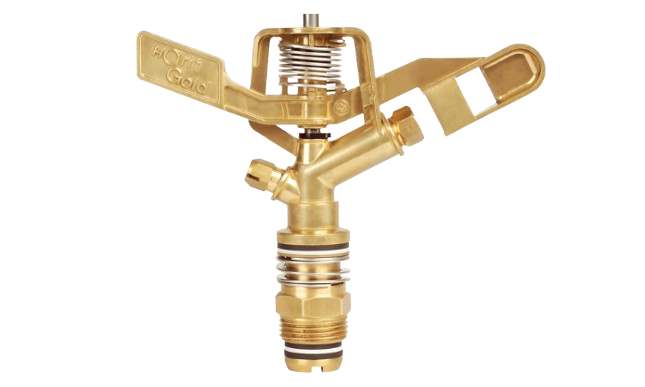
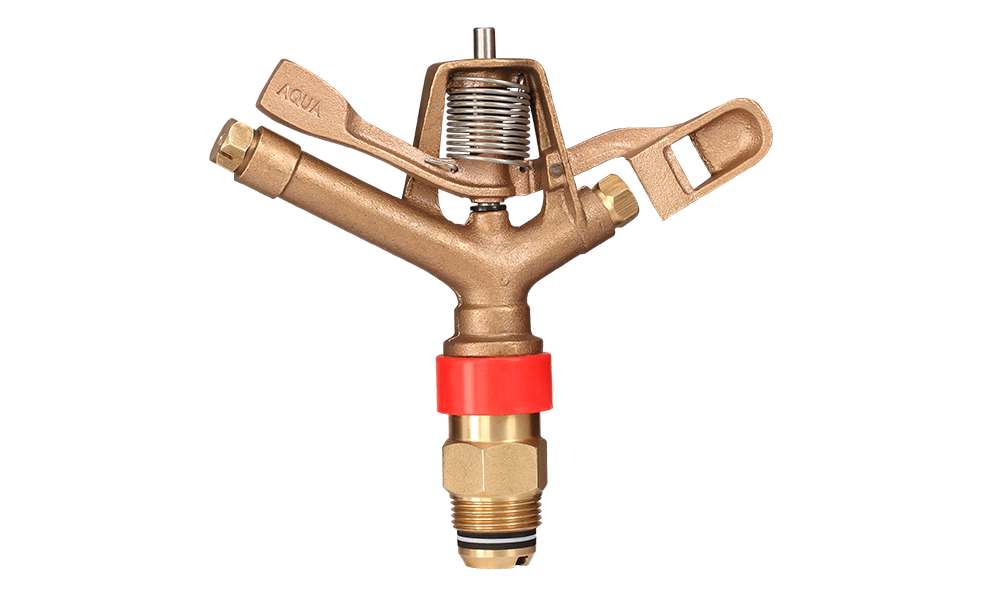
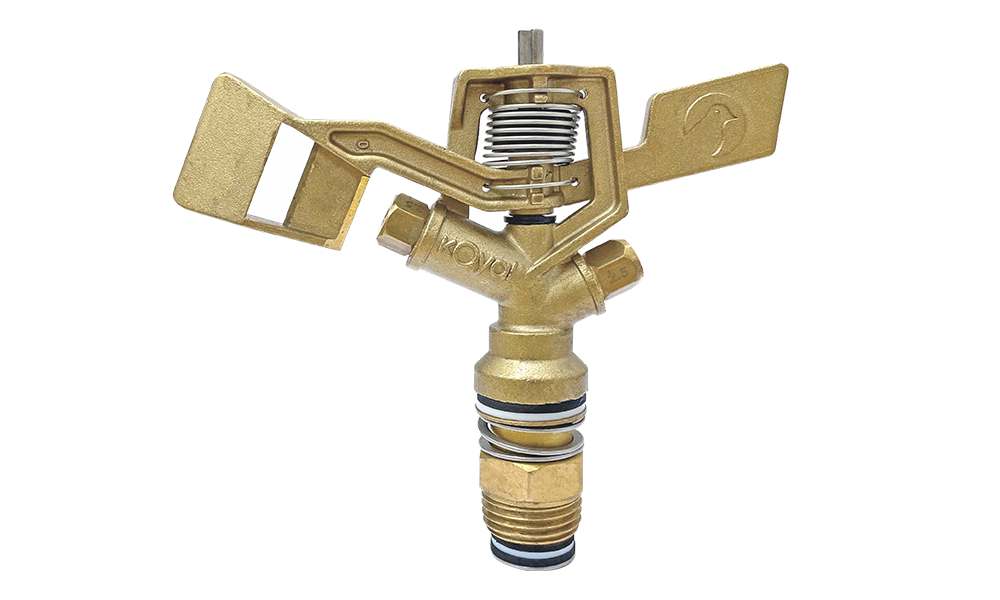
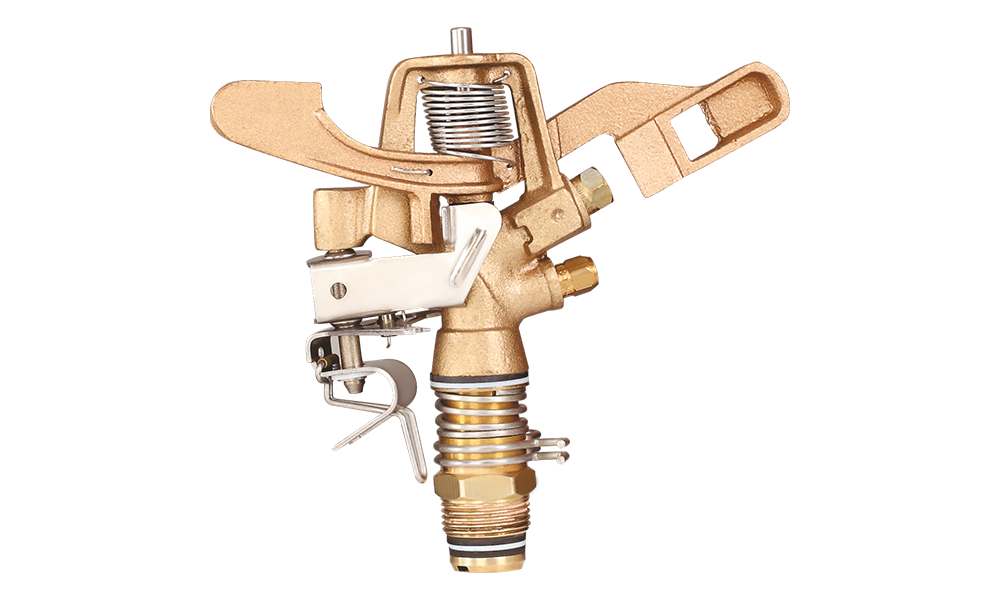
Not all fields or soils behave the same. On lighter soils or smaller plots, good sprinklers spread water evenly and prevent dry spots. Row crops like pulses respond really well to drip systems that keep the root zone moist while using less water overall. The idea is simple: match the method to the field and crop to meet the crop water requirement without wasting resources.
Not all fields or soils behave the same. On lighter soils or smaller plots, good sprinklers spread water evenly and prevent dry spots. Row crops like pulses respond really well to drip systems that keep the root zone moist while using less water overall. The idea is simple: match the method to the field and crop to meet the crop water requirement without wasting resources.
3. Watching the Soil
The soil decides how well a crop can handle water. Too dry, and the plants start to droop. Too wet, and the roots can’t breathe. Most farmers still go by the physical feel of it. Some now use simple tools like moisture meters to get a more exact idea. Whatever the way, the point is to keep the soil moist enough for steady growth, without drowning it.
4. Adding a Bit of Tech
These days, technology is quietly finding its way into farming routines. Take an automated agriculture sprinkler system, for example. Once it’s set up, it can handle the timing, pressure, and coverage on its own. For farmers with bigger fields, that means less running around and fewer worries about missed patches which could lead to poor crop quality. It doesn’t replace the farmer’s eye, but it does make sure water is spread more evenly and the whole process runs more smoothly.
Linking Crop and Water Together
When we talk about water management for Rabi crops, it’s really about connecting the two: crop needs and water supply. A crop irrigation sprinkler system, for example, can adjust to cover large fields evenly while with a drip irrigation system , the water trickles down exactly where the roots are, so nothing really goes to waste. Both are part of modern micro irrigation water management methods, helping farmers deal with limited water without compromising yield.
Benefits of Good Irrigation Practices
When water is managed properly, the difference shows up straight in the crop. Plants look healthier, yields come out better, and the effort that goes into each acre actually feels worth it. It doesn’t mean pouring in more water, it is rather about giving just enough, when the soil and crop need it most.
It also helps cut down on waste. Less water is lost to runoff or evaporation, and that means less time spent on pumping and less money spent on fuel or electricity. The land benefits too. Over-irrigation often leaves behind salt or makes the soil too heavy and waterlogged, but careful watering keeps the soil in good shape for the next crop.
In the long run, these habits build healthier soil, save resources, and make the farm more resilient when dry years come around.
The Role of Technology
Irrigation has changed a lot from what it used to be. Earlier, it was mostly about opening a channel or switching on the pump and letting the water flow. Now, farmers have small but smart tools to help. A simple valve can decide how much water moves into a line, sensors can signal when the soil is drying out, and sprinklers or drip pipes can spread water evenly across the field, all of these controlled by Smart Irrigation controllers. None of it feels complicated, but it saves a lot of water and effort.
The big difference is in the everyday work. Farmers don’t have to keep guessing or running back and forth; the system does much of the balancing on its own. Automat builds these tools to last, so farmers can spend their time doing other important tasks instead of doing physical manual work and worrying constantly.
Wrapping Up
Managing water in the Rabi season is all about knowing when the soil and the crop actually need it. A well-timed round of irrigation can do more for a wheat or mustard field than several careless ones.
Whether it’s sprinklers, drip lines, or careful scheduling at key stages, the idea stays the same: give water when it matters most, and save it when it doesn’t. That’s how crops stay healthy right through the winter.
At Automat, we look at irrigation water management for Rabi crop as a mix of old wisdom and modern tools. Farmers already understand how precious water is as it is part of their everyday reality. What we try to do is make sure the systems they use make that job easier, helping them grow a good harvest now while keeping the soil and water ready for the seasons ahead.
FAQ's
What is the irrigation management of Rabi crops?
It’s mostly about knowing when to water and how much. Each crop has its own stages where timely irrigation really matters.
How much water do Rabi crops need?
Not too much. Usually three to four rounds of watering through the season are enough, depending on the crop and soil.
What is the water-saving trick for Rabi crops?
Water only when the soil actually needs it. Sprinklers and drip lines help a lot with that.
How often should Rabi crops be irrigated?
It really depends on the crop and weather. Most farmers just keep an eye on the soil, if it starts drying out, that’s when they water.
Can drip irrigation be used for wheat and mustard?
Yes, it works well for both as it keeps the moisture steady and cuts down on waste.
What are the advantages of sprinkler irrigation for Rabi crops?
It spreads water evenly, saves time, and keeps the soil from getting too hard or patchy.
Which Rabi crops need the most irrigation?
Wheat needs the most care with water, while mustard and pulses can manage with fewer, well-timed rounds.

Download Mobile App


Get in touch

Plot no. 18-19, Dilshad Garden, G.T. Road, New Delhi 110095.


