
Popular Searches
Popular Searches

Irrigation Water Management for Smarter, Sustainable Farming
Across many regions, farmers are realising that when irrigation is planned properly, a lot of day-to-day pressure on the field becomes easier to manage.

Across many regions, farmers are realising that when irrigation is planned properly, a lot of day-to-day pressure on the field becomes easier to manage. When water is managed with care, fields stay balanced, inputs are used more wisely, and the soil remains productive for years ahead. With water sources becoming less predictable, smarter planning has become a necessity rather than an option.
Why irrigation water management matters now ?
At Automat, we have seen how better irrigation water management changes daily farming work. When water reaches the field on time and in the right quantity, crops stay more stable and farmers face fewer sudden issues. When a system is set up to work at the pressure it can actually handle, the filters, valves, and sprinklers stay healthier and need far fewer repairs.
Even small adjustments in pressure or flow often reduce breakdowns and help irrigation runs stay consistent.
Water scarcity has made this even more important. Many farms rely on borewells, canals, or ponds that fluctuate through the season. Planning irrigation with a clear structure helps farmers stretch these sources further and prevents uneven wetting patterns that affect yield. Instead of reacting to emergencies, growers can operate with a calm routine that benefits both the crop and the land.
Finding value in smart irrigation practices
A large part of smart irrigation practices comes down to choosing equipment that matches real field conditions. For example, if water arrives with sand or silt, filters such as Hydrocyclone units or media filters must be placed before sprinklers or drip lines. This prevents clogging and keeps distribution uniform.
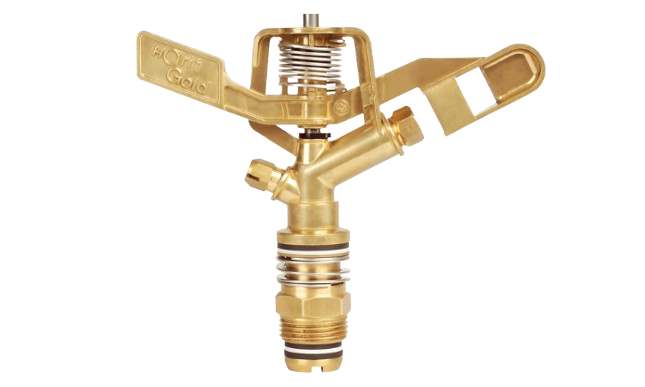
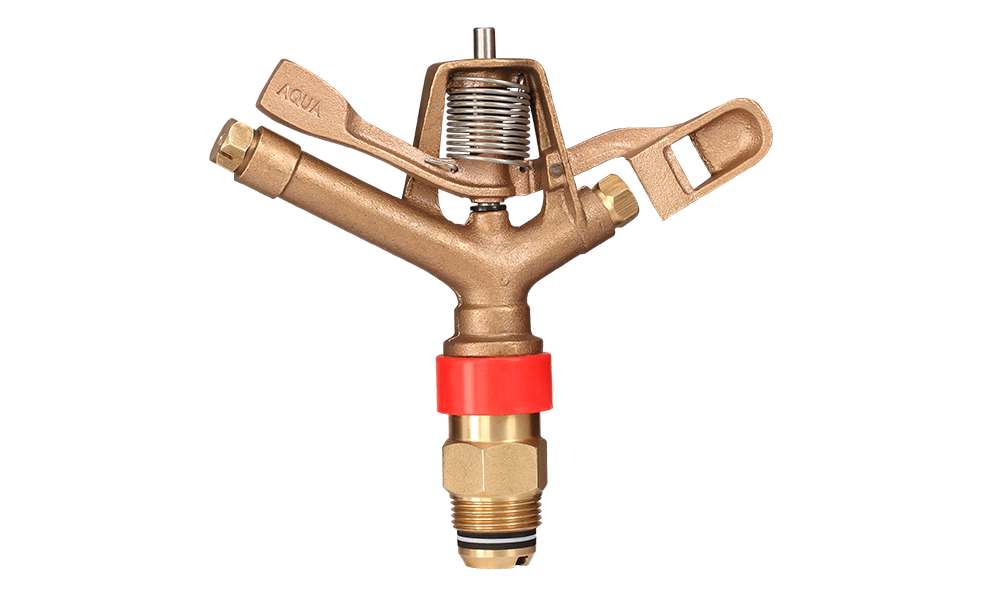
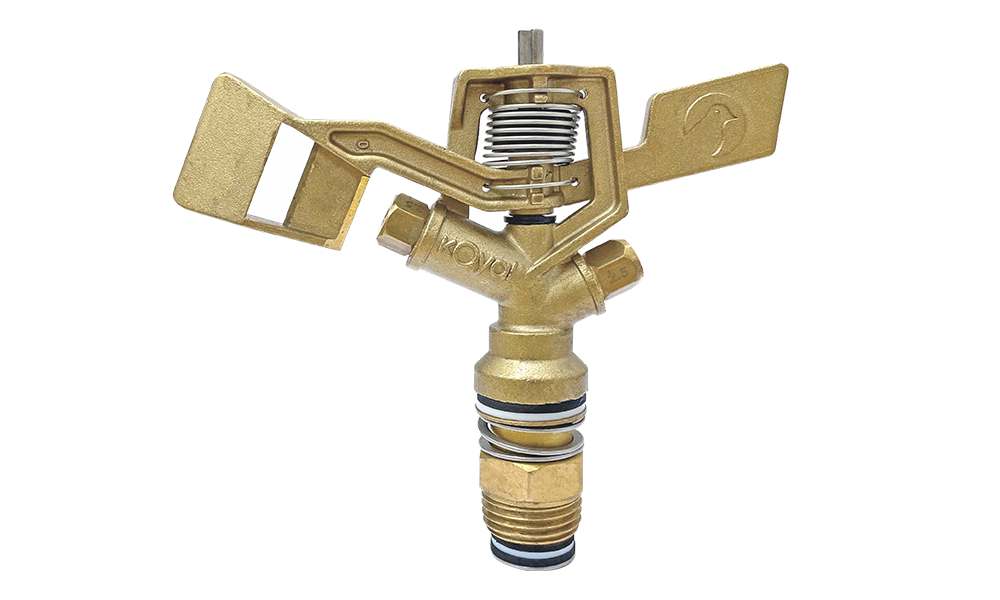
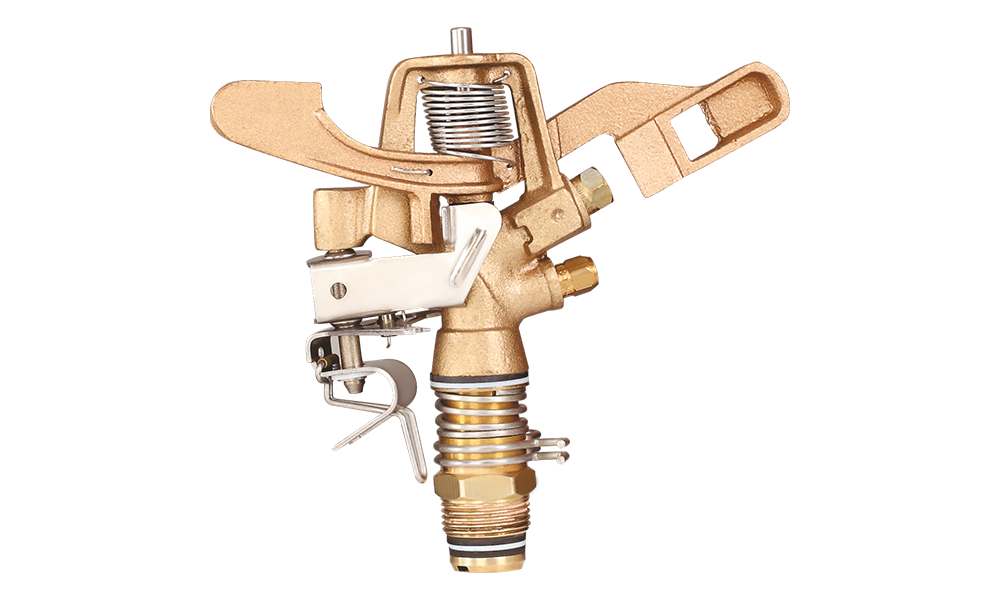
Impact sprinklers, micro sprinklers, and disc or screen filters also work best when they operate within their recommended pressure range. Many sprinklers are designed to perform well even at low pressures, which helps farms that depend on pumps with fluctuating output. When every part of the system is chosen with purpose, water is used more efficiently and losses remain low.
Water conservation in agriculture
Conserving water is not just about cutting back on irrigation. It is about using every litre in a way that reaches the crop with minimal loss. The right filtration at the head of the system makes a big difference. Hydrocyclone filters remove sand through centrifugal movement and need only a quick flush to clear the chamber. Media filters handle heavier organic loads from surface water sources such as ponds and rivers.
Screen and disc filters then protect emitters further down the line. Many models include large service ports, corrosion-free materials, and clear indicators that show when cleaning is needed. These details reduce the frequency of full shutdowns and prevent unnecessary water flushing. Over a season, these small improvements add up to significant conservation.
Building the right irrigation system
Every field requires a slightly different approach. An irrigation system for orchards is not the same as one for cereals, and the design must reflect that. For broad-acre crops, impact sprinklers with strong reach and good uniformity create an even canopy of moisture. For orchards and nurseries, micro sprinklers deliver fine droplets over longer periods, which keeps the soil moist without washing nutrients away.
Filtration choices should also match the water source. For example, Disc Filters or Double Body Screen Filters are well suited for farms that need larger filtration areas and longer gaps between cleanings. Turbo Automatic Screen Filters provide uninterrupted irrigation during their cleaning cycles, which is helpful in fields where stopping the system in the middle of an irrigation run is not possible.
Farm water scheduling
Water scheduling brings structure to everyday irrigation. When flow rates, pressure levels, and crop needs are known in advance, the farm can follow a routine that avoids both overwatering and underwatering. A consistent schedule also reduces pump strain because operators are not repeatedly starting and stopping the system.
Pressure regulators, valves, and reliable filters help keep each watering cycle consistent. When the system delivers uniform flow during scheduled runs, fields stay even in moisture and crops maintain steady development. A clear watering plan also gives the field team a smoother routine, since they are not constantly pulled away to fix sudden issues in the system.
Planning ahead with better irrigation planning
Good irrigation planning begins before the first pipe is laid. Field layout, soil type, water quality, crop spacing, and pump performance all influence what the system should look like. For example, farms that depend on surface water with algae and organic debris benefit from Aquadisc Fully Automatic Disc Filters. These filters clean themselves with minimal water loss and reduce maintenance time.
Where water carries sand, putting a Hydrocyclone filter at the start of the line makes a clear difference. It protects the sprinklers and other parts from early wear. When this is planned in from the beginning, farms deal with fewer breakdowns and the system delivers steadier pressure right through the season. It also cuts down on repair work, which makes day-to-day irrigation much easier to manage.
Reducing water wastage in farming
Many farms lose water long before it reaches the soil. Small leaks, sudden pressure drops, or a valve that is not closing fully can quietly waste a lot over a season. Good valves help avoid most of this. Air release valves, vacuum breakers, and sturdy ball valves keep the flow steady and stop pipes from taking unnecessary strain.
Filtration matters just as much. When filters keep dirt out of the system, emitters stay clear and you do not have to flush lines as often. That keeps irrigation runs smooth and cuts down on water that would otherwise be wasted during cleaning.
Parts that keep systems healthy in the long run
Filters, valves, and sprinklers are rarely noticed when everything is working well, but they determine the reliability of the entire setup. Strong materials such as reinforced polymers, bronze, brass, and stainless steel allow sprinklers and filters to withstand long exposure to water, sunlight, and field chemicals. Features like stream straightening vanes in impact sprinklers, self-cleaning mechanisms in filters, and strong sealing in valves all contribute to stable flow and even water distribution.
At Automat, we design each part with durability and ease of maintenance in mind so farmers spend less time repairing and more time managing crops. Reliability is not a luxury in irrigation. It directly protects water, labour, and yield.
A simpler path toward better water use
Improving irrigation water management does not require complicated technology. Most of the progress comes from small, practical steps. Understand your water source, use filters that can handle what it carries, pick sprinklers that fit your field layout, and stick to a steady irrigation routine. Once the system is set up this way, water tends to move where it should without much trouble.
We believe that sustainable irrigation grows from practical, field-tested solutions. With the right combination of planning and equipment, farmers can protect their water resources and strengthen their harvests year after year.
FAQs
What is the main purpose of irrigation water management?
Its purpose is to make sure crops get the right amount of water at the right time while reducing losses and protecting soil health.
How to manage irrigation water?
Start by knowing your water source, use proper filtration, match sprinklers or drip lines to your crop, and follow a steady watering schedule that fits your field.
Which irrigation method saves the most water?
Drip irrigation usually saves the most because it delivers water directly to the root zone with very little loss.
How can you improve water in irrigation?
Use clean, filtered water, choose equipment suited to your pressure and spacing, and avoid overwatering by following a planned schedule.
Does smart irrigation reduce electricity costs?
Yes. If the system is steady and well-planned, the pump runs for shorter periods and avoids strain, so power use drops on its own.

Download Mobile App


Get in touch

Plot no. 18-19, Dilshad Garden, G.T. Road, New Delhi 110095.


