
Popular Searches
Popular Searches

Importance of Water Filtration in the Paper and Pulp Industry
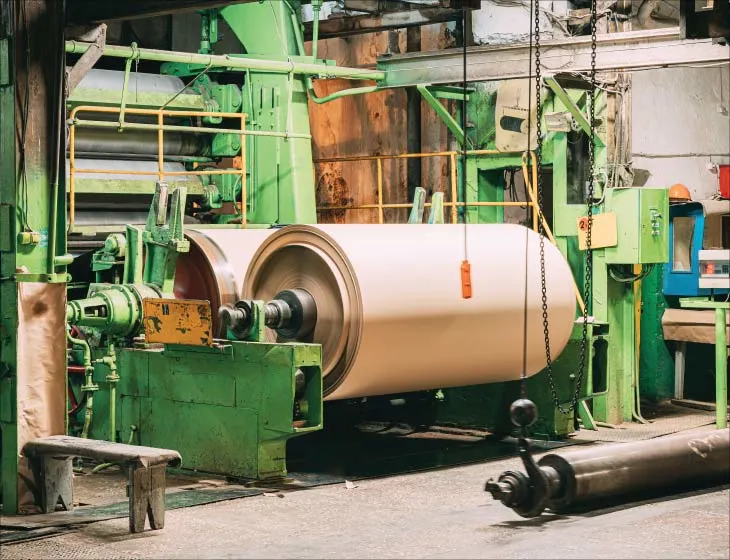
In the paper and pulp industry, water is far more than a support utility. It is one of the main raw materials that keeps the entire process moving. From separating fibers and carrying them through the system to cooling equipment and helping chemicals work evenly, water touches almost every stage of papermaking.
A. Introduction
Water: The Invisible Raw Material
In the paper and pulp industry, water is far more than a support utility. It is one of the main raw materials that keeps the entire process moving. From separating fibers and carrying them through the system to cooling equipment and helping chemicals work evenly, water touches almost every stage of papermaking. Without it, the industrial process simply would not exist.
In most mills, the same water is used repeatedly as it moves through different stages of the process. Large volumes move through pulping, washing, forming, pressing, cooling, and cleaning areas, often several times over. Since this same water keeps returning to the process, its quality ends up defining how smoothly the plant runs, how stable the machines stay, and how consistent the final sheet looks.
Clean water leads to a steady process and predictable paper quality.
As mills expand and environmental regulations tighten, most plants have shifted from once-through water use to closed or semi-closed loops. This brings clear benefits, but it also allows contaminants to accumulate faster. Effective filtration is what keeps this recycled water usable.
The Challenge: The Cycle of Contamination
Reusing water is now standard in paper mills, but every cycle adds new contaminants. As the water keeps circulating, it naturally picks up fiber fines, sand, glue from recycled paper, leftover chemicals, and some organic matter. When too much of this collects, it settles inside the system and creates deposits that affect performance. Lines get sticky, pumps wear out faster, and spray nozzles start clogging, which means the machine has to stop for cleaning more often than anyone would like.
The pressure is even greater in mills working toward Zero Liquid Discharge (ZLD). When almost every drop must be reused, filtration moves from being a support function to being the backbone of the entire water loop.
The Purpose: Protecting Assets and the Environment
Filtration in a paper mill acts much like a filter in the human body. It continuously removes impurities so the system stays balanced and reliable.
In a paper mill, the purpose of filtration really comes down to two things.
First, it keeps machines safe by removing the particles that would otherwise wear out pumps, nozzles, and other moving parts. Second, it allows mills to reuse more of their water, which reduces freshwater withdrawal and helps them stay within environmental limits.
B. The Role of Water in Paper Manufacturing
The Many Jobs of Water
Water performs several different tasks across the papermaking line, and each depends on clean, stable quality.
The Mixer (Pulping)
Wood chips or recovered paper are mixed with water so fibers can separate without being damaged. This step keeps the fibers intact and lets them spread out evenly, which helps them join together well in the next stages.
The Cleaner (Washing)
Pulp leaving the digester contains inks, glues, fillers, and chemicals. Washing uses large amounts of clean water to carry these impurities away, improving brightness and strength.
The Carrier (Sheet Formation)
In the forming section, the pulp slurry is roughly 99 percent water. As this water drains through the forming fabric, fibers remain behind and lock together to create the sheet. Any contaminants in the water may end up directly on the paper surface.
The Cooler (Thermal Control)
High-speed machines generate a lot of heat. Water removes this heat through controlled cooling circuits, protecting bearings, drives, and other components.
A Thirsty Industry
Paper mills typically depend on two main water streams:
- Freshwater, taken from natural sources
- Recycled process water, commonly called white water
White water is valuable because it contains useful fiber and is already warm. But it becomes contaminated very quickly, and if not filtered properly, it can harm both product quality and machine uptime.
Why Water Quality Matters ?
Poor water quality affects a mill almost immediately.
- Operational impacts: Clogged spray bars, blocked pumps, and fouled heat exchangers cause stoppages that cost both time and money.
- Quality impacts: Dirty water can create holes, spots, weak patches, and uneven color on the sheet.
C. Why Water Filtration Is Critical
Filtration serves as the first line of defense, preventing contaminants from moving deeper into critical systems.
Equipment Protection
Paper machines rely on thousands of small spray nozzles. Even one grain of sand entering a nozzle can leave a continuous streak on the sheet until the issue is spotted. Filtration removes these particles early and reduces the chance of visible defects.
Process Stability and Control
Stable, predictable water quality makes it easier to control fiber behavior, drainage, and chemical reactions. If the water quality shifts during the run, you start seeing changes in sheet formation, coating application becomes uneven, and drying no longer behaves the way it should.
Improved Energy and Chemical Efficiency
Clean water improves heat transfer and helps chemicals work the way they are intended to. This can lower energy use and prevent unnecessary chemical dosing.
D. Contaminants: The Enemies in the Water
Fibers and Fines
Fines are extremely small fiber particles. They add little strength to paper but can clog pipes, overload pumps, and settle in unwanted areas.
Grit, Sand, and Plastics
Freshwater often brings in sand and silt. With recycled paper, you also get the usual mix of plastic scraps, staples, and other small metal pieces. If they aren’t filtered out early, they can slowly grind down pumps and internal surfaces.
Stickies
Adhesives in recycled stock loosen in warm water and form tacky spots that latch onto fabrics and rollers. They end up sticking to machine fabrics and rollers, which can interrupt the run or leave visible defects.
Slime and Microbial Growth
Warm water rich in organic matter encourages bacteria and slime formation. These deposits can detach and contaminate the sheet.
E. How Water Is Cleaned: Filtration Methods
Filtration in a paper mill is not one single step but a series of treatments.
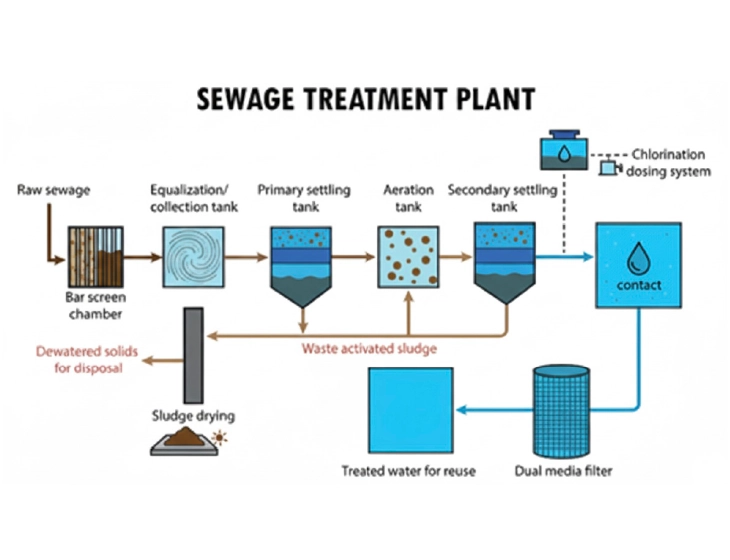
Most processed water is cleaned through a mix of screens, hydrocyclones, and disc filters, which remove fibers, sand, and the softer organic material that tends to build up. Chemical mixes are filtered through bags or cartridges so they stay clean before application.
Sand media units tidy up the water used in boilers and cooling systems, and the final filter stage makes sure the mill stays within its environmental requirements and hits its reuse goals.
F. Automat Filters: Filtration Solutions for Paper Mills
Automat’s filtration range, commonly used across industrial and agricultural sectors, aligns well with the demands of paper mills that require large flow capacities and continuous operation.
Hydrocyclone Filters
Hydrocyclone filters are mainly used to pull out sand and grit from incoming or circulating water. They are available in several sizes and, when placed in parallel, can handle larger flows. Taking out these abrasives early helps pumps run smoother and last longer.
Sand Media Filters
Automat’s sand media filters give cooling and utility water a thorough clean, which helps the system run without frequent fouling. They come in manual and automatic models, so mills can choose what fits their setup.
Disc Filters (AquaDisc)
In AquaDisc filters, the discs catch fine fibers and other light impurities as the water passes through. The self-cleaning feature helps the unit operate continuously, so it fits easily into white water circuits and spray systems.
G. Business and Operational Benefits of Filtration
Higher Machine Uptime
When the water stays clean, machines tend to run without the small interruptions that slow a mill down. With fewer interruptions, the crew can stop chasing small faults and concentrate on keeping production on track.
Improved Product Quality
Cleaner water shows up directly in the paper. The surface turns out smoother, the fibers settle better, and far fewer defects make it through, which cuts down on rework.
Lower Maintenance Costs
Removing abrasive and sticky contaminants helps equipment last longer and reduces spending on replacement parts.
- Environmental and Compliance Benefits
- Reduced dependence on freshwater
- Lower discharge volumes
- Better alignment with circular water management and ZLD goals
H. The Future of Water Filtration in Paper Mills
Many mills are now exploring filtration systems that can sense when cleaning is needed and take care of it on their own. It reduces the amount of manual checking and keeps the water loop more stable.
Automation has already become routine in filtration, and as mills focus more on saving water and energy, these tools will only become more important.
Conclusion
Water sits at the heart of papermaking. It carries the fibers, cools the machinery, helps chemicals do their job, and shapes the final sheet, so its quality shows up immediately in both the process and the product.
When filtration is weak, water creates more problems than it solves. When it is cleaned properly, the same water becomes a reliable part of the system and helps the mill run smoothly and responsibly.
With tools like hydrocyclones for removing sand and disc filters for protecting spray lines, mills can keep the process steady while reducing waste. As sustainability expectations continue to grow, keeping water clean will remain one of the most important parts of running a modern paper plant.

Download Mobile App


Get in touch

Plot no. 18-19, Dilshad Garden, G.T. Road, New Delhi 110095.


