
Popular Searches
Popular Searches

How Can a Flow Control Valve Make a Sprinkler Irrigation System More Efficient?
Out in the field, balance is everything. You can see it in the way the soil drinks water, how the leaves tilt toward the sun, how the flow evens out after a steady rain.
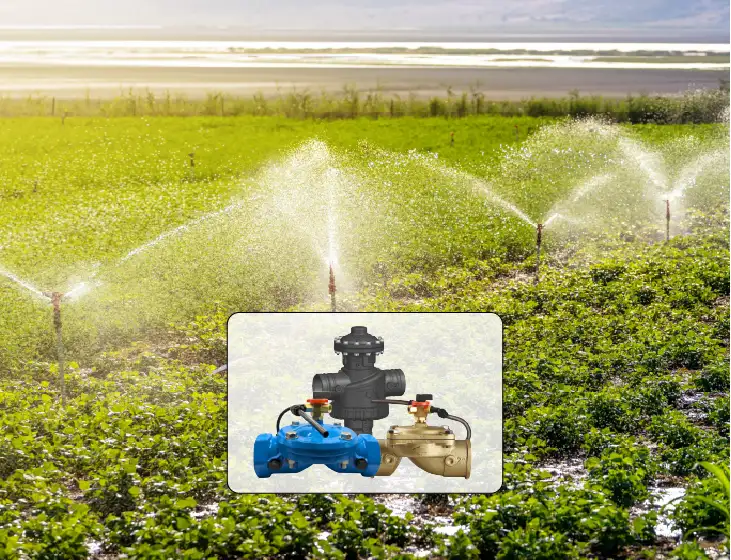
Out in the field, balance is everything. You can see it in the way the soil drinks water, how the leaves tilt toward the sun, how the flow evens out after a steady rain. The same rule applies to irrigation. It’s not about how much water you send, but how evenly it moves. That’s where a flow control valve quietly changes the game.
When water travels through long pipes, pressure never stays equal. The line closer to the pump gets more force, while the far end gets less. Over time, that imbalance starts showing in the crops when some patches turn lush, while others look dull. A flow control valve helps level that out. It keeps water moving evenly so the whole system performs the way it should.
Why the Flow Matters So Much ?
Every irrigation setup depends on steady flow. Whether it’s a sprinkler irrigation system for a field of mustard or for vegetables, what really counts is how well the pressure holds up.
If it fluctuates too much, sprinklers start spraying unevenly. The plants near the start of the line get more water, while the ones at the edge stay thirsty. The same happens in drip systems. The first few emitters gush, and the last ones trickle weakly.
That’s why irrigation flow regulation matters, and the valve makes that possible without needing complicated adjustments every time.
What a Flow Control Valve Actually Does ?
When water pressure spikes, it eases the flow. When it drops, it opens up just enough to balance it out again.
Water reaches the nozzles with steady pressure, so the spray stays even from one end of the field to the other. For drip lines, it keeps the flow gentle and steady, letting the soil around each root stay moist without turning muddy.
Once you get the flow right, you don’t just save water. You also protect the pumps, pipes, and other parts from wear and tear that uneven pressure often causes.
How It Fits into the Bigger Picture ?
Modern irrigation is about control, timing, and consistency. Farmers today use precision irrigation components that keep every part of the system tuned.
When the filters, regulators, sprinklers, valves, and other pieces work together, the system becomes easier to manage and the farmer doesn’t have to worry about adjusting pressure manually. The flow control valve quietly takes care of that balance on its own.
We at Automat have learnt over the yeears that once the system is balanced, the yields improve, maintenance drops, and the farm runs more predictably. That kind of stability means a lot, especially in areas where water supply or power pressure keeps changing.
Inside a Sprinkler System
In a sprinkler system, every meter of pipe adds a bit of resistance. The farther the sprinkler, the weaker the push. A flow control valve helps even that out so each sprinkler performs the same way.
This makes a visible difference in large farms. You don’t get patches of overwatered soil or spots where plants look stunted. Instead, the field grows uniformly.
With steady pressure, the pump just does its job quietly instead of fighting the flow every few minutes. It runs easier, uses less power, and keeps the whole irrigation routine running without stress.
Choosing the Right Type
Not every setup needs the same kind of valve. The choice depends on how much water the system handles, how long the lines are, and what kind of crops are being grown.
For smaller systems or localized setups, light and corrosion-resistant materials like high-grade polymer or brass work best. In high-pressure or mixed-use setups, stronger, larger valves with fine adjustment options make more sense.
Clean water makes a big difference too. A simple disc filter for drip irrigation helps keep the mud and bits of debris out, so the pressure stays steady and the valve can do its job right. Clean water helps the valve respond more accurately to flow changes.
How It All Comes Together ?
When all the irrigation components work in sync, efficiency takes care of itself. The pump runs smoother. The sprinklers spin evenly. The soil stays at the right moisture level.
A flow control valve sits quietly in that system, keeping things balanced. It might not be the most noticeable part, but it has a big say in how much water and energy you end up saving through the season.
We’ve often seen farmers realise this after installing one. It’s not dramatic at first, but a few cycles later, they start noticing smaller bills, fewer leaks, and more uniform crops. That’s the sign of a system that’s finally working in rhythm.
Keeping the Flow Right
Farming keeps changing, and so does the way we handle water. With pressure drops, dry spells, and shifting weather, the goal is to manage water wisely. A well-set sprinkler irrigation system can stretch every drop much further when it runs in balance.
Sometimes the smallest part keeps everything running right. The flow control valve is one of those things. Once it’s in place, whether it’s part of a micro irrigation system or a sprinkler irrigation setup, the water moves evenly, the soil stays right, and the plants grow without stress. You don’t really think about it when it’s working, but you’d notice the difference if it wasn’t.
At Automat, we’ve seen this happen on all kinds of farms. A small change like steadying the pressure can make the whole system smoother. When the sprinklers start working in rhythm, there’s less checking, less fixing, and a lot more peace of mind and that’s what efficiency really looks like in the field.
FAQs
What does a flow control valve do in irrigation?
It helps the water move steadily through the lines so all parts of the field get their fair share. Nothing floods, nothing stays dry.
Can flow control valves reduce water wastage?
Yes. They keep too much water from pushing through one side of the field, so you get fewer puddles, fewer leaks, and the water actually goes where it’s needed.
Are flow control valves suitable for both drip and sprinkler systems?
They are. The same valve can handle both. It keeps the pressure steady, whether it’s running a drip line or a sprinkler irrigation system.
How do I adjust flow rate in my irrigation setup?
You just turn the handle slightly till the flow feels right. It doesn’t take much, and you can usually see the difference right away.
What materials are best for irrigation valves?
Brass and PVC are the most common. They don’t rust easily, work well under pressure, and last for years if you keep them clean.

Download Mobile App


Get in touch

Plot no. 18-19, Dilshad Garden, G.T. Road, New Delhi 110095.


