
Popular Searches
Popular Searches

Butterfly Valves and Their Applications in Drip and Sprinkler Irrigation Systems
Every irrigation line needs a point where you can slow things down, open things up, or simply steady the flow.
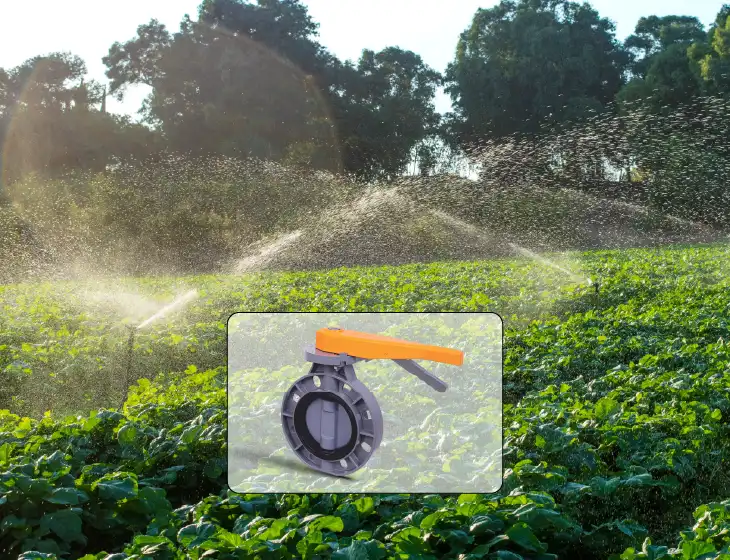
Every irrigation line needs a point where you can slow things down, open things up, or simply steady the flow. A butterfly valve does that job without making a big deal of it. It sits right at the place where control begins, giving you a clean, quick way to guide water through a drip system or set the pace for a sprinkler irrigation system. Most people only notice it when they need it, and that’s usually the sign of a part that’s doing its work well.
In farming, these small points of control matter more than they seem. Whether you’re running a line across a vegetable patch or managing a bigger set of sprinklers for farm irrigation, the way water moves through the system decides how much time you spend adjusting things later. That’s where butterfly valves come in. They are simple, light, and built to respond quickly when you want to make a change.
Automat’s work in this area grew from years of watching how fields behave in real conditions. We’ve seen how one valve can smooth out the rhythm of an entire pipeline, especially in drip and sprinkler systems that run for long hours throughout a season.
Why Butterfly Valves Fit So Well in Irrigation ?
Butterfly valves are easy to understand once you see them up close. There’s a disc inside the valve body that turns with the handle. You rotate it a little, you get a narrow passage. Turn it more, and the water moves freely. That quick response makes it useful in places where you need to keep the pressure steady or slow things down before water reaches the delicate emitters.
For a drip irrigation, the main job of a valve is to control without adding bulk or weight. A butterfly valve does that cleanly. In a large sprinkler irrigation system, it becomes a point of regulation that helps each section run at the pace it should. Both setups benefit from a valve that reacts instantly without needing heavy hardware or constant care.
1. Plastic Wafer Type Butterfly Valve
This is the lightest of the lot, made from U-PVC and built to sit neatly between pipe connections. The design keeps the torque low, so the handle turns smoothly even if the system has been running for hours. Because it doesn’t take up much room, it fits easily into tight layouts where other valves feel bulky.
In a sprinkler for farm setups or compact drip lines, its light weight becomes a real advantage. It slips into place without trouble, stays clean in all kinds of weather, and keeps up with everyday irrigation. Most farmers use it in spots where they just want a valve that behaves well and doesn’t need checking all the time.
2. Hybrid Wafer Type Butterfly Valve
Hybrid Wafer Butterfly Valve Type is built with more strength. The body is still made from U-PVC, but the disc is stainless steel. That little change gives the valve the strength to handle heavier flow without struggling. Once it’s in place, it holds its position well, and the handle can be set at small, clear steps when you want a very specific opening.
In sprinkler in agriculture layouts where the pressure fluctuates often, the hybrid design keeps the flow dependable. It’s also a good match for lines that carry water longer distances or sit in exposed areas where you want the material to hold up over time.
Where Each Valve Works Best
A Plastic Wafer Type Butterfly Valve works well in smaller or mid-sized drip lines, especially where space is tight or the layout twists. It reacts quickly when you need to slow the flow or shut off a section.
The Hybrid version suits the heavier side of the field, like the main supply for a sprinkler irrigation valve setup or long stretches with many outlets. Its stainless-steel disc handles the pressure changes without fuss.
Together, they help the sprinkler irrigation system stay calm and consistent so the sprinklers keep their pattern right through the day.
How Butterfly Valves Support Drip Irrigation Systems
In Drip Irrigation Systems, even a small jump in pressure can change how the emitters release water. A butterfly valve helps settle the flow before it reaches the laterals, so the line runs more evenly. Because it moves smoothly, it avoids sudden jolts in the water that can loosen fittings or push dirt toward the emitters. That’s why it works well as a valve for drip irrigation: simple to adjust, easy to reach, and steady once set.
How Butterfly Valves Support Sprinkler Systems
Sprinkler systems need stable pressure to keep their spray even. If the flow rises and drops too often, the throw changes and the field ends up with uneven patches. A butterfly valve helps settle the pressure so each zone gets just the amount it should.
Across a sprinkler irrigation system with several blocks, these valves become the pieces that keep everything in line. When the water enters a zone at the right pace, the sprinklers rotate cleanly and cover their area properly, saving you from making corrections through the day.
Whether it’s a compact sprinkler irrigation valve near a pump or a regulating valve tucked inside a long lateral line, butterfly valves support the system by bringing predictability into the flow.
Matching Valves to Real Field Needs
Choosing between the two butterfly valve types often comes down to the field layout and the water source. Sandy or mineral-heavy water may need additional filtration, but the valve itself should match how often you open or throttle the line.
A Plastic Wafer Type Butterfly Valve works well in simpler routing where the goal is easy flow and basic control. A Hybrid model stands stronger in places where you expect higher stress or want tighter shutoff capabilities.
Farmers who use both drip and sprinkler systems often place these valves at points where the two systems branch out. This gives them the flexibility to run one system at a time or adjust the pressure when switching from drip cycles to overhead watering. In those cases, the sprinkler stays responsive, and the drip lines stay protected.
What Experience Has Taught Us ?
When the key fittings hold steady, the rest of the system usually settles with them. You end up spending less time fixing flow issues and more time watching the field grow the way it should. Butterfly valves make that possible by keeping the water at a pace both sprinklers and drip lines can handle without strain. Once the flow feels steady, the whole setup becomes easier to trust through long seasons.
FAQs
What is the control range of a butterfly valve?
You can open it just a little or all the way, depending on how much water the line needs at that moment.
How much pressure can a butterfly valve handle?
Most farm-ready models manage regular irrigation pressure without trouble, and the sturdier hybrid ones stay steady even when the pressure climbs.
Which butterfly valve is best for irrigation use?
For most fields, a simple U-PVC valve does the job well. If the system runs heavier or longer, the stainless-steel disc version is the safer pick.
How do butterfly valves improve irrigation control?
They help you settle the water flow quickly, which keeps both sprinklers and drip lines from fluctuating too much.
Are these valves suitable for small farms?
Yes! They are easy to fit, easy to adjust, and don’t need much upkeep, so smaller setups benefit just as much as bigger ones.

Download Mobile App


Get in touch

Plot no. 18-19, Dilshad Garden, G.T. Road, New Delhi 110095.


